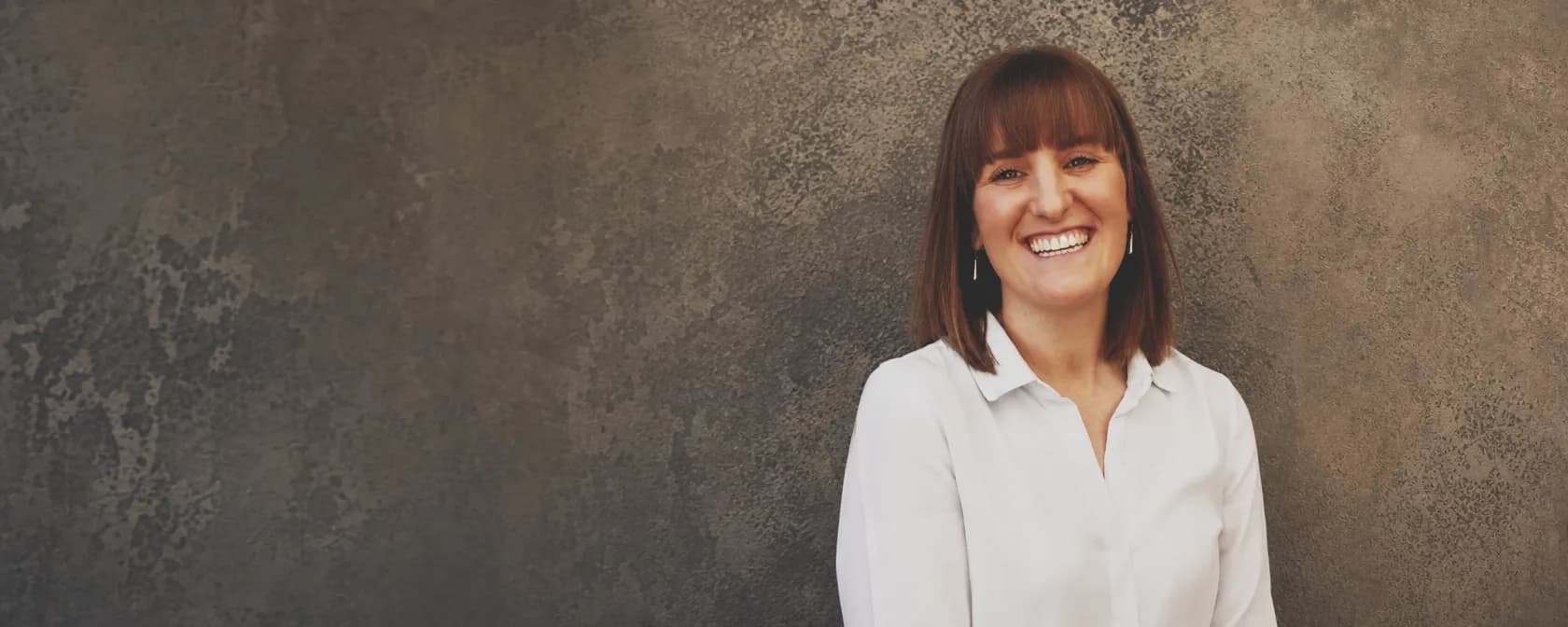

Presenter: Ana Ivanovic-Tongue
Title: Can Tech Protect the World's Art?
Abstract:
If a masterpiece disappears, how do we prove where it belongs - and who it really belongs to?
Art crime is the third-largest criminal enterprise on the planet, sitting close behind drugs and arms trafficking, and quietly funding everything from organised crime syndicates to terrorism. The looted Vermeer, the suspiciously "rediscovered" antiquity, the pounamu disappearing through an Auckland airport gate - these aren't just newspaper stories, they're symptoms of a global problem the art world has been remarkably bad at solving.
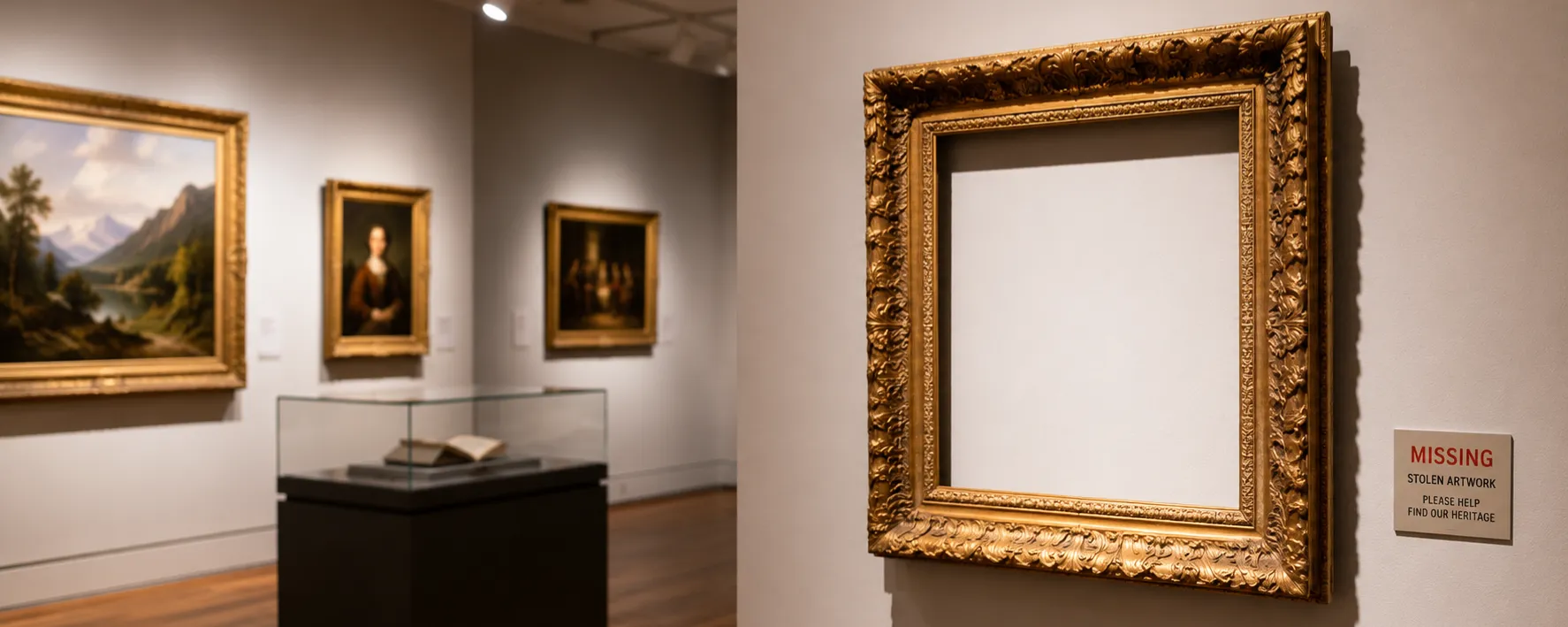
Join Ana for a lively wander through a world of empty frames, fake provenances, free ports and dodgy auction houses. Along the way you'll meet the forensic archaeologists, museum sleuths and customs officers trying to hold the line, and discover how artificial intelligence, image recognition and a few publically available apps are starting to tilt the odds back in favour of the good guys.
Expect true stories of audacious heists, the curious tale of the Laughing Buddhas stuffed with gold, and an honest look at what taonga we stand to lose if we don't pay attention. You'll come away with a new appreciation for the art around you, a healthy suspicion of anything labelled "garden ornament," and a sense of how emerging technology might just help protect humanity's cultural heritage for the generations coming after us.
No prior knowledge required. Just curiosity and, ideally, a strong cup of coffee.
Key Takeaways:
- Understand how art crime actually works: Explore how theft, looting, fake provenance and illicit trafficking move cultural objects around the world - and why recovering them can be so difficult.
- See how technology is changing the fight: Discover how AI, image recognition and digital tools are helping identify, trace and protect artworks and taonga, and where the limits of those technologies still lie.
Date:
This workshop will run on Thursday 29th October from 10:00 am - 12:00 pm.
About the expert
Ana Ivanovic-Tongue
Ana Ivanovic-Tongue has spent twenty-five years in the arts and culture sector, from dealer galleries and international sculpture symposia to running Auckland Council's Public Art Programme, and these days she helps guide innovation in learning experiences at education disruptor academyEX. Her claim to fame? She once sold a painting to Lionel Richie. Her quiet obsession? Art crime.
It began in the late 1990s in front of two empty frames at Boston's Isabella Stewart Gardner Museum, where a stolen Vermeer and Rembrandt had once hung. The question of where the world's missing masterpieces actually go has stayed with her ever since, and recently became the subject of her Master in Technological Futures - a research project investigating how AI and emerging technologies might finally make a dent in the multi-billion-dollar global trade in looted cultural objects. The result was Loot Track, an AI-powered prototype co-designed with New Zealand Customs to help frontline officers identify protected taonga and stolen artefacts in transit.
Ana is AI Forum's Chair of AI in Education working group and is a firm believer that AI is not only the great disruptor of our age, but also a rather promising ally in protecting the things that make us human.
Other learning activities you may be interested in
Harping On
The Hidden Complexity of Modern Music
 POPULAR
Healthy Aging: Live better, not just longer
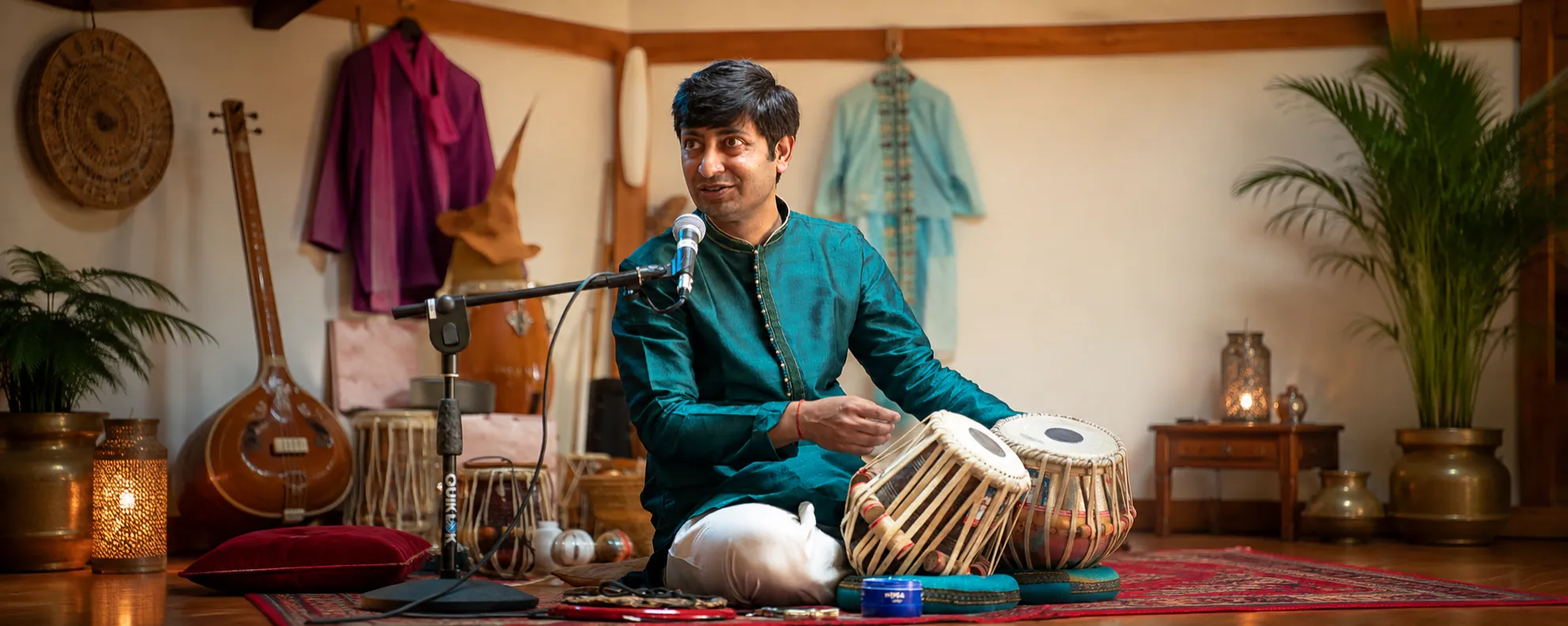
Tabla Traditions & Global Fusion
 POPULAR
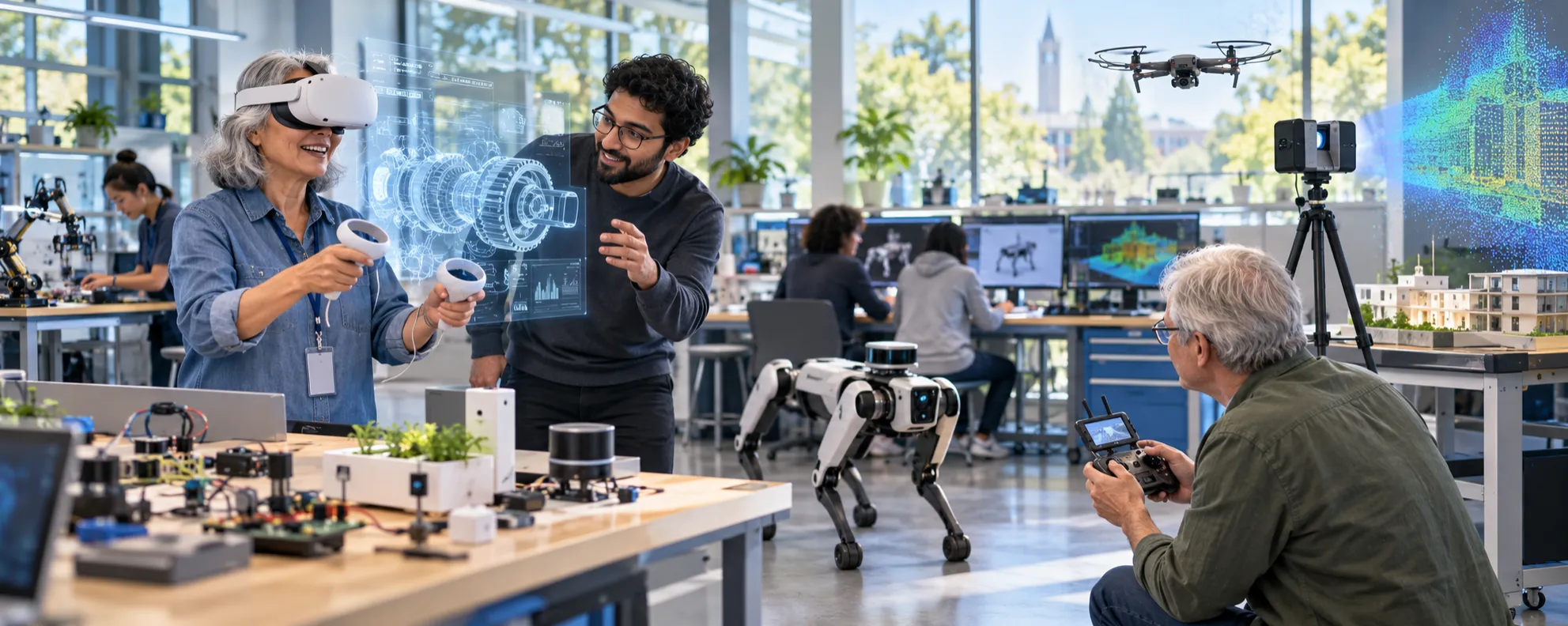
Inside the Smart Digital Lab: Where Emerging Technology Meets the Real World
 POPULAR
Living Well with Arthritis: Separating Myth from Reality
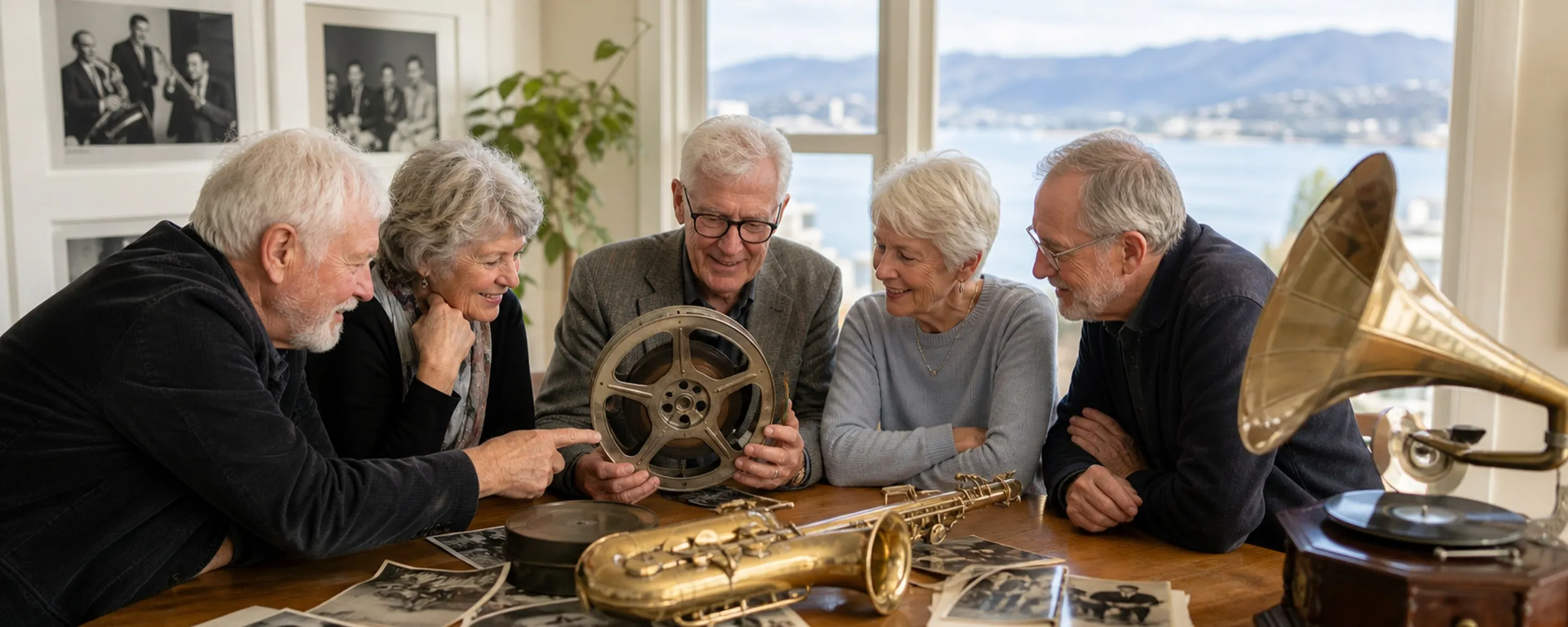
New Zealand's First Jazz Recording

Cyber Savvy: Protecting Your Devices and Online Accounts
Listening Beyond the Score: Sound Design as Music

Unhack My Brain - Take Control of Your Online Time
Colour Alchemy. The Hidden Language of Colour Workshop