

All About Love Heart
For the actively curious.

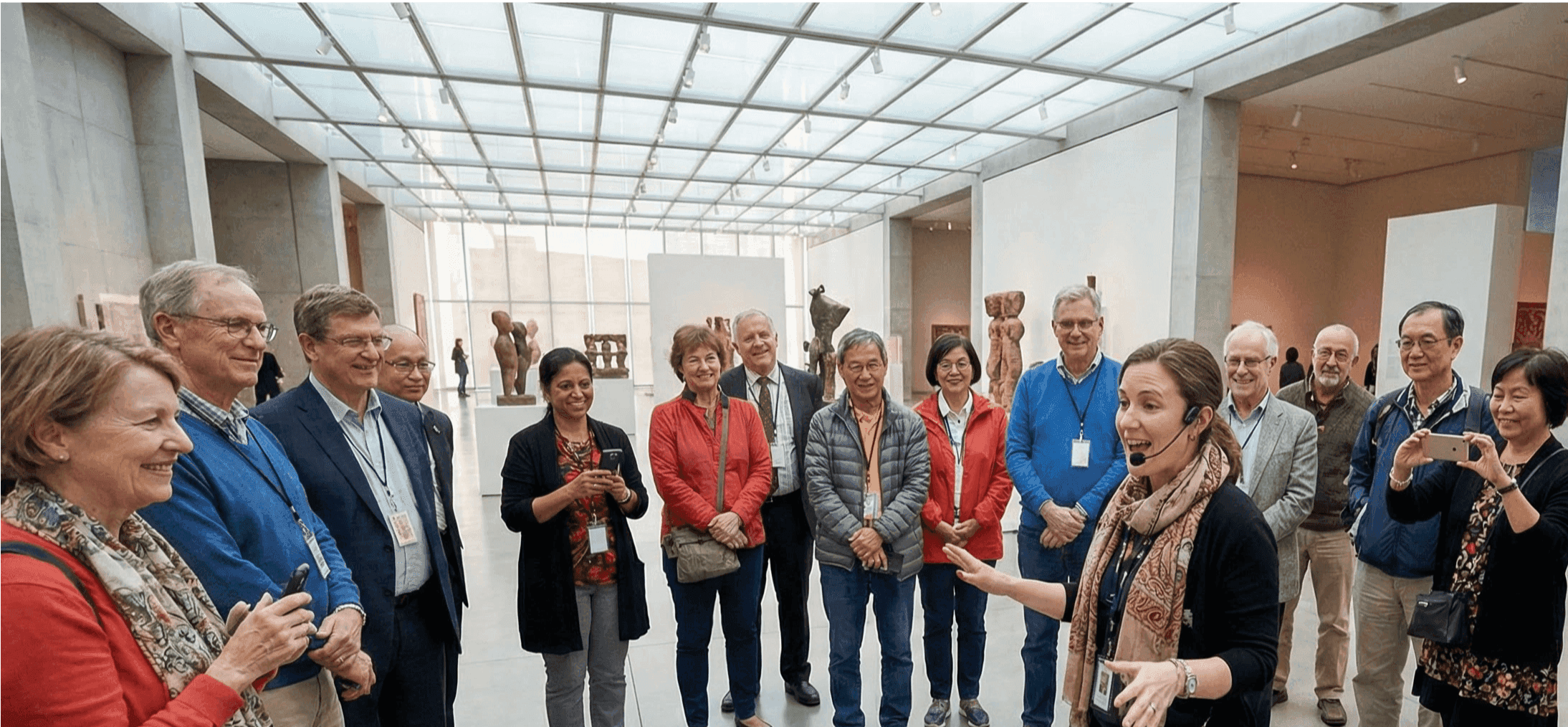

Life is a series of Learning Experiences
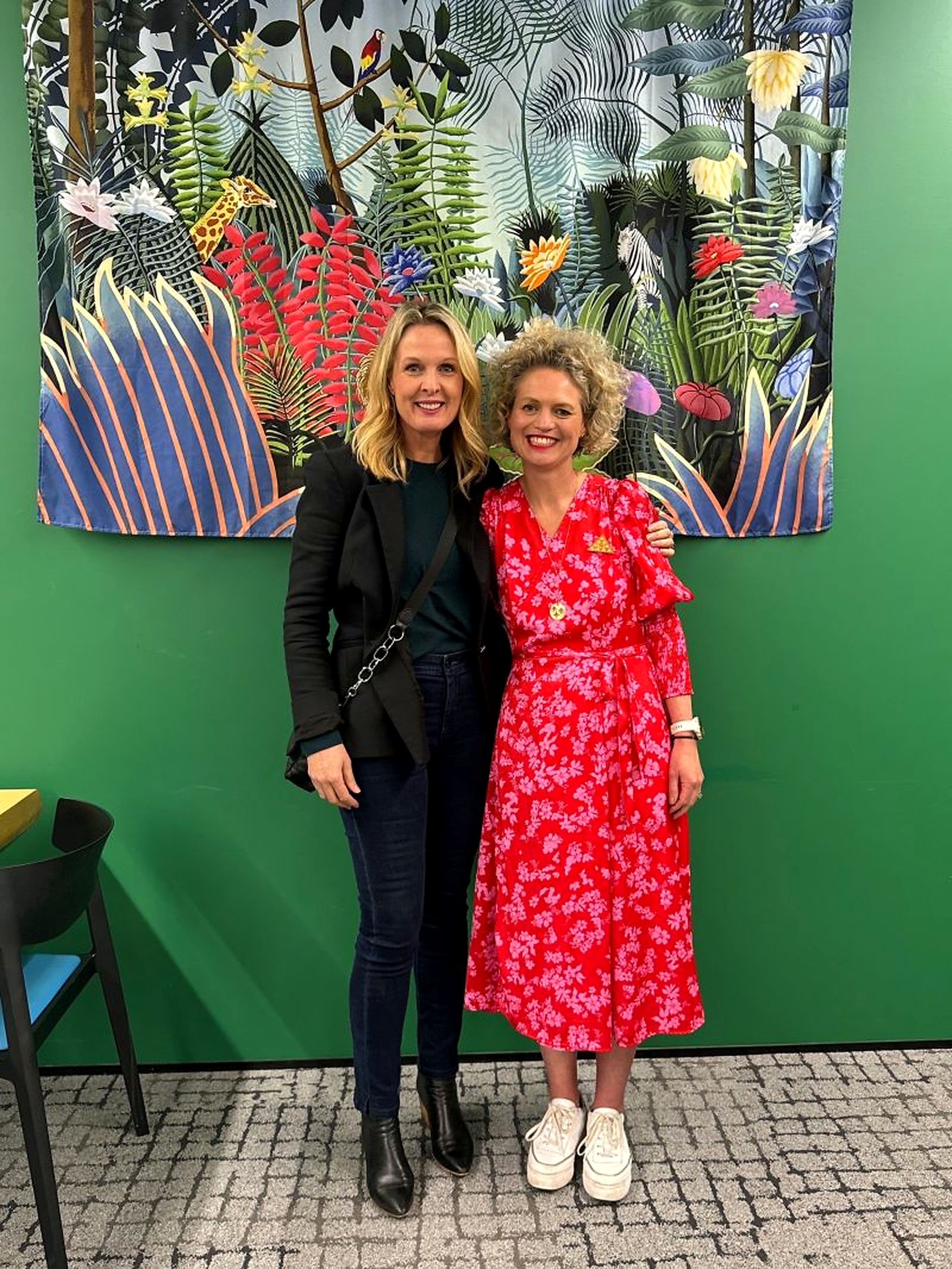
Welcome to Love Heart - Social Learning
Love Heart is all about connection and learning. We exist to make learning as easy as booking a ticket. No membership, no pre-reading, no assessments. Each decade of our life we have different learning needs. What we need to know in our thirties and forties is very different from the decades that follow. This is where we focus our workshops, lunches and outings. We bring expert speakers together with a room of curious people who have deep and insightful knowledge in their field of specialisation. These conversations are designed to build understanding, to learn new things and to share ideas and thoughts. No previous experience is needed. You just need to book a ticket online and turn up.
Why are we called Love Heart?
We know that learning at any age can be intimidating, and for many, the idea of jumping into a new learning experience can be a bit nerve-wracking. Love Heart, as a name, is purely for fun. It says we are about people, we are about caring, and it is also a little bit cheeky ;o)
Our Pricing
Love Heart is a social enterprise that launched in early 2026. We are committed to making our learning experiences as affordable as possible, but we also want to ensure we can bring you the very best speakers, venues and customer service to each and every Love Heart workshop, lunch and outing.
Our $55 workshops include GST (15%). From the remaining $46.75, we pay the payment company (Stripe) and bank fees. From this balance we pay our speakers and our venues. The balance is used to fund our website developers, our team of staff who liaise with you, our speakers and our venues, along with our facilitators, marketing and promotion. Not a dollar goes to profit.
The $5 booking fee goes directly to our ticketing company, Flicket.
Note: Our lunch sessions, include the cost of lunch which goes to the host venue.
Our team
Our core team are three long term friends, Fee Webby, Frances Valintine and Melissa Fincham who have worked together for many years in higher education. In addition, a number of facilitators, marketers, and comms experts make Love Heart possible.
Feel free to reach out to us at any time, as we would love to hear from you. Our email is hello@heart.co.nz

Do Schools Serve our Children? Workshop
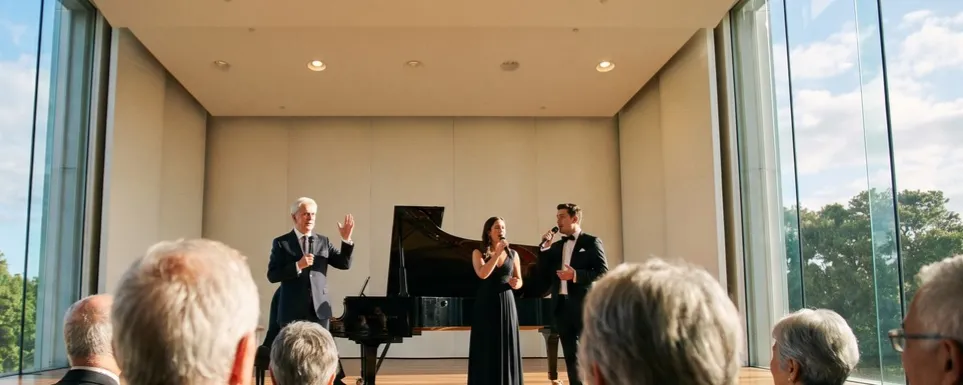
Opera in Context: An Illustrated Exploration

Dolphins, Vineyards and Balloons: A Life Led by Curiosity Workshop

Fast, Smart, and Creative: Making Music in a Rapidly Changing Tech World Workshop

Finding Positivity and Purpose Workshop

Harping On
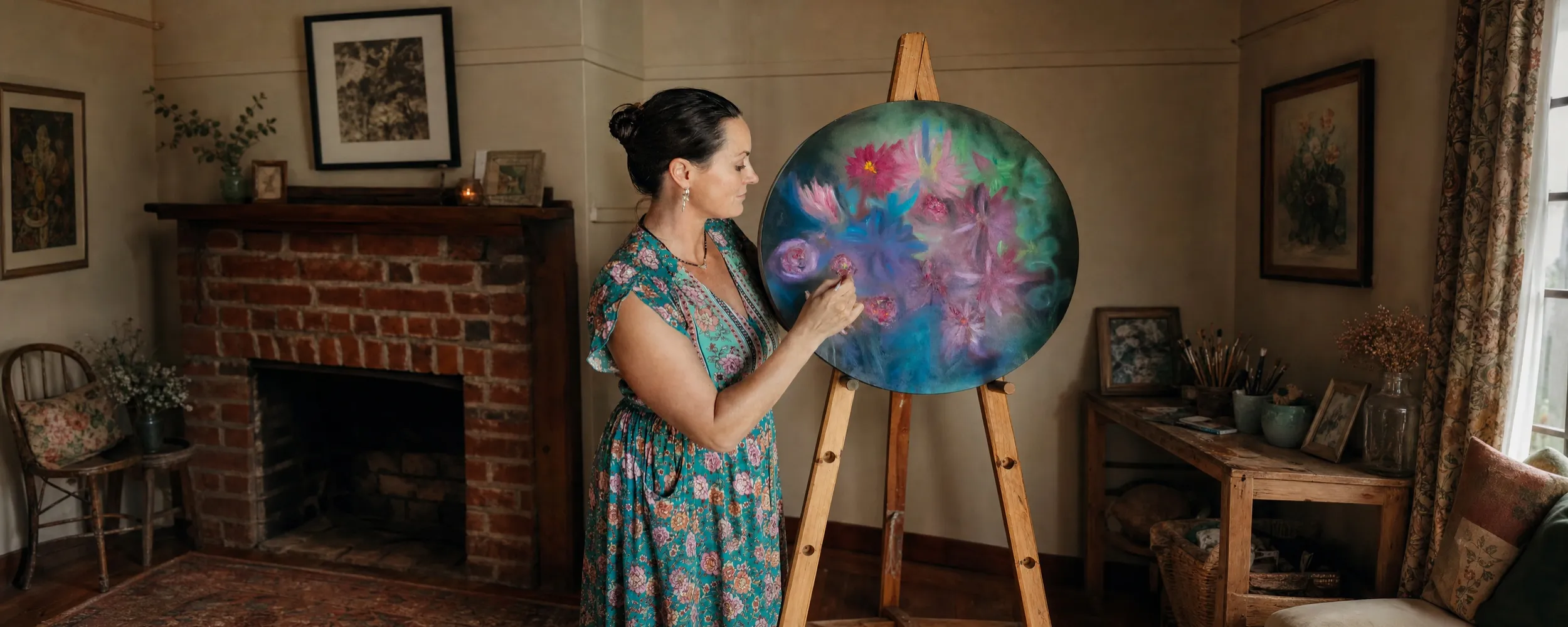
Colour Alchemy. The Hidden Language of Colour Workshop

Powering Our Future: How Energy Shapes the Modern World

Community, Connection & Collective Impact: The Power of Local Philanthropy
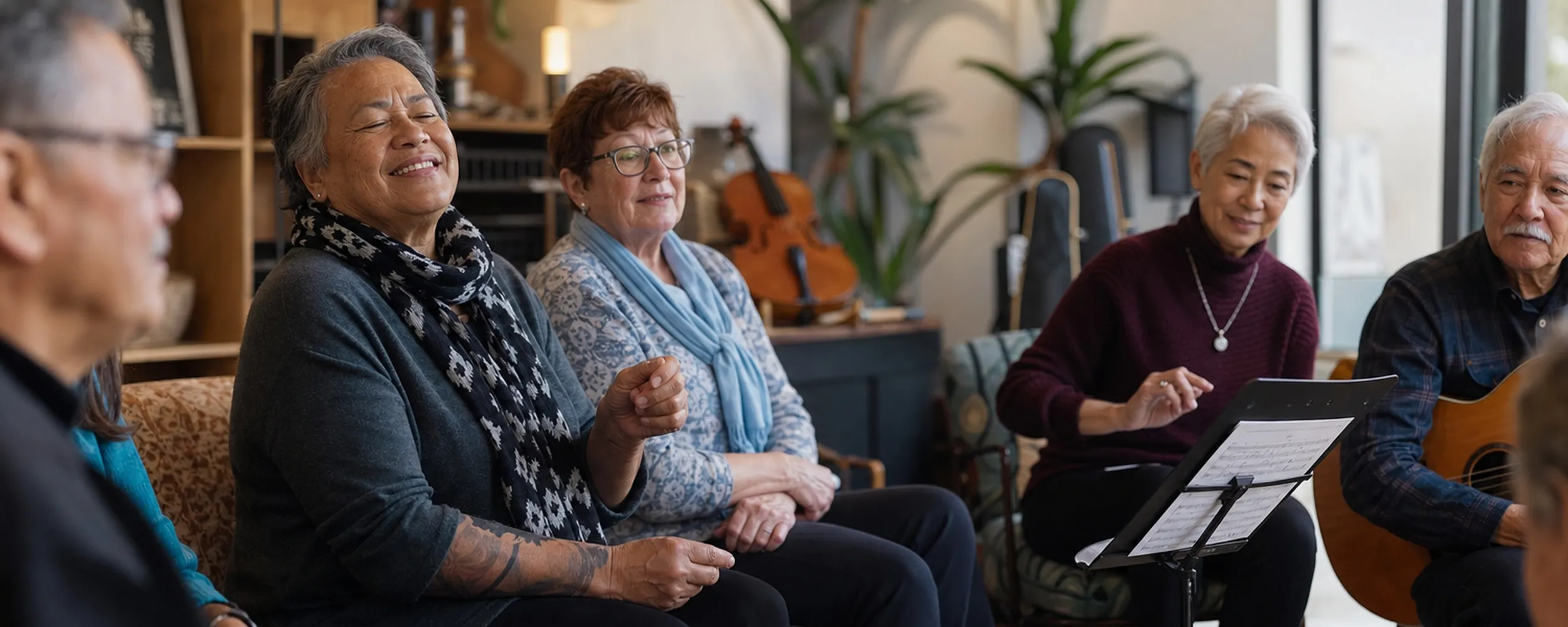
The Hidden Complexity of Modern Music

Can Tech Protect the World's Art?

Healthy Aging: Live better, not just longer
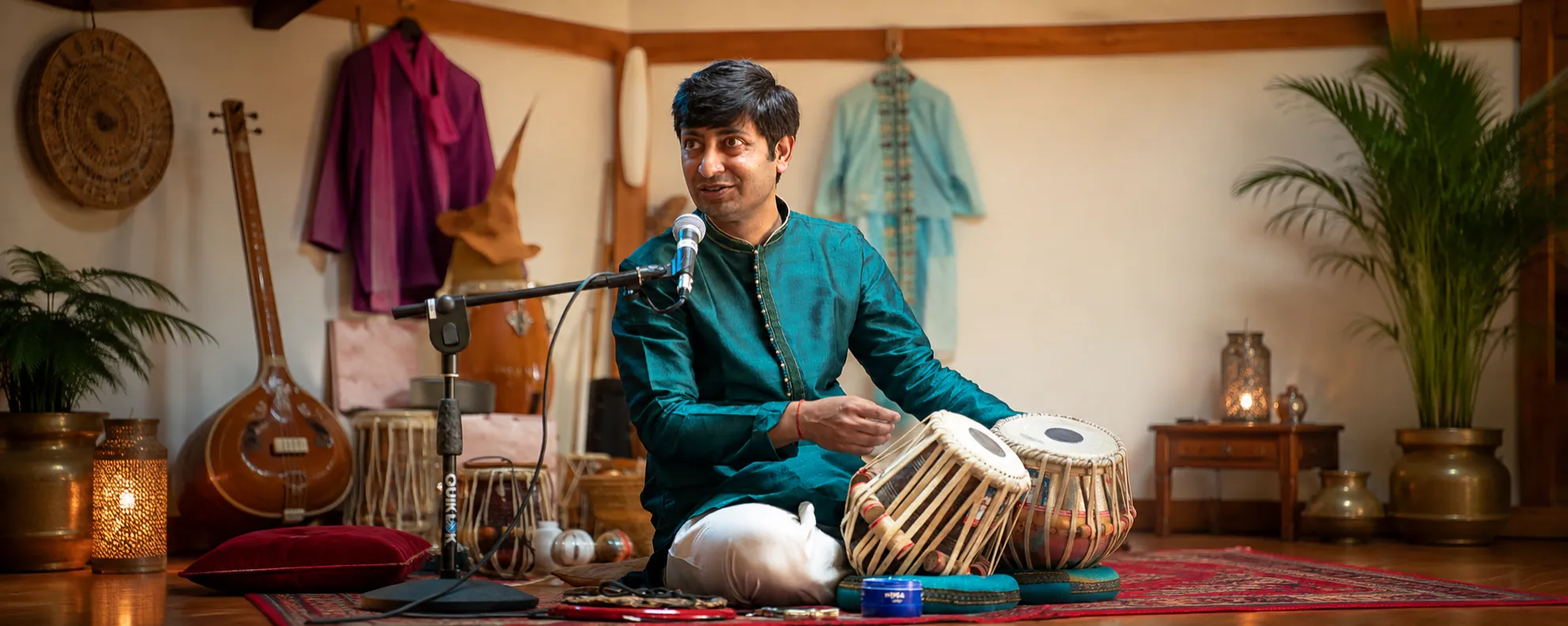
Tabla Traditions & Global Fusion
 POPULAR
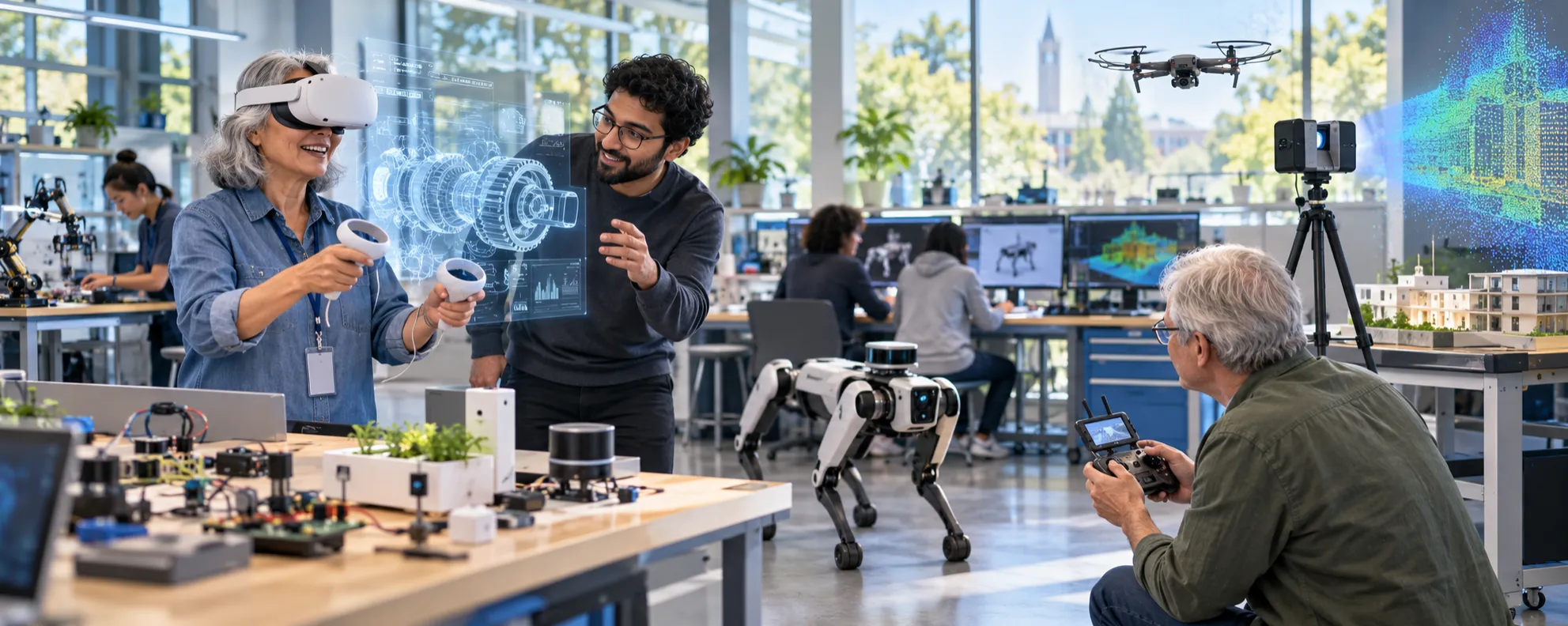
Inside the Smart Digital Lab: Where Emerging Technology Meets the Real World

Unhack My Brain - Take Control of Your Online Time
 POPULAR
Professor Duncan Reid: Beyond the Podium: Stories from the Frontline of Elite Sport Learning Lunch

Dr Louise Speedy: From Medical Student to Military Major Learning Lunch
 POPULAR
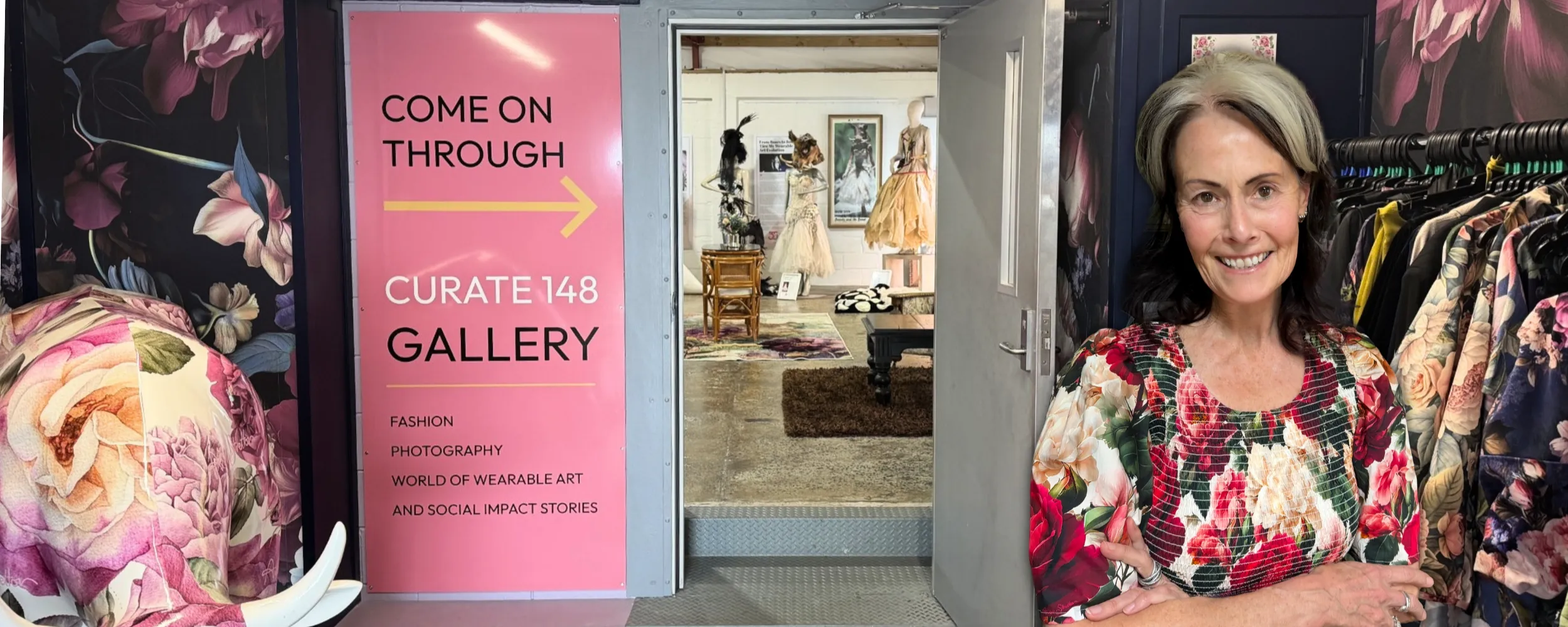
Annah Stretton Learning Lunch - A Life in Full: Curiosity, Contribution and the Courage to Keep Expanding

Shea McAleese OLY: The Evolution of a Four-Time Olympian Learning Lunch
 POPULAR
Francky Godinho: From Soil to Plate: A Vegetable Garden Tour and Seasonal Learning Lunch
 POPULAR
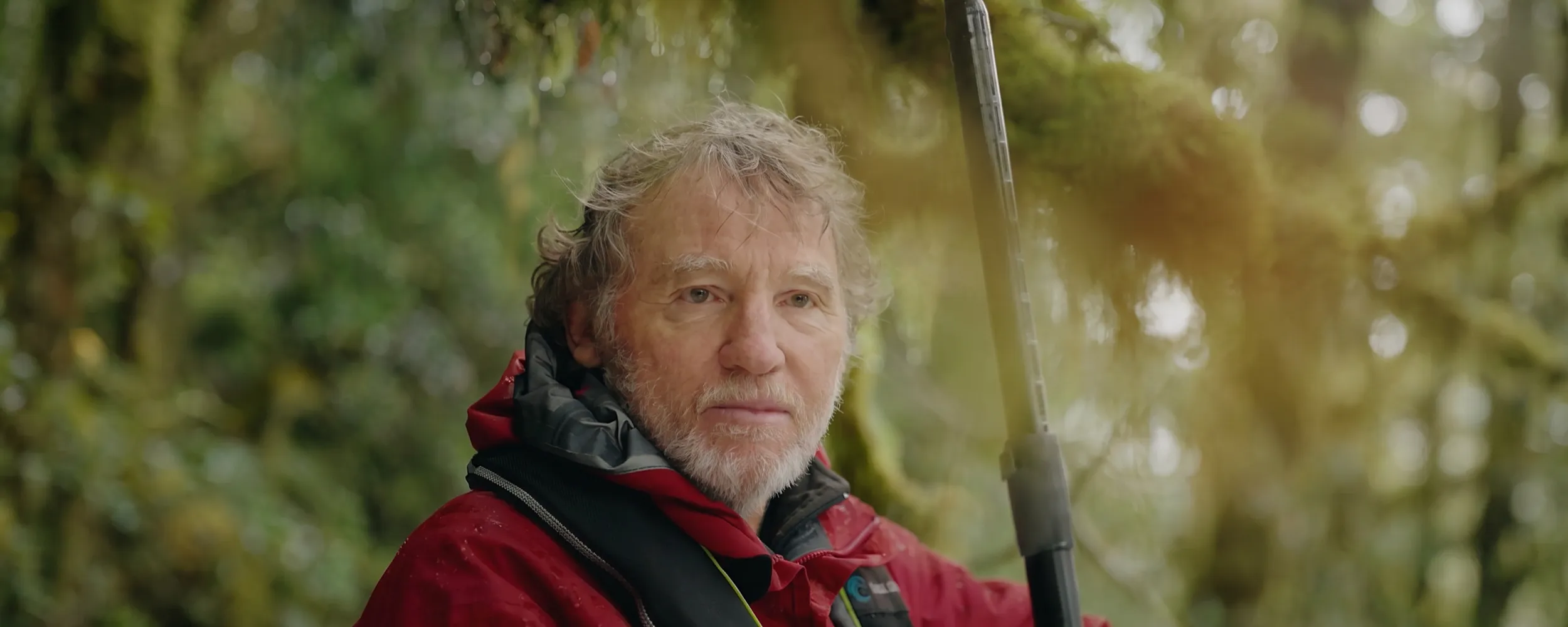
David Trubridge ONZM - Making a Place to Belong: Beauty, Nature and Aotearoa Design Learning Lunch

Russell Clarke: When Every Minute Matters: Inside the World of Aeromedical Retrieval
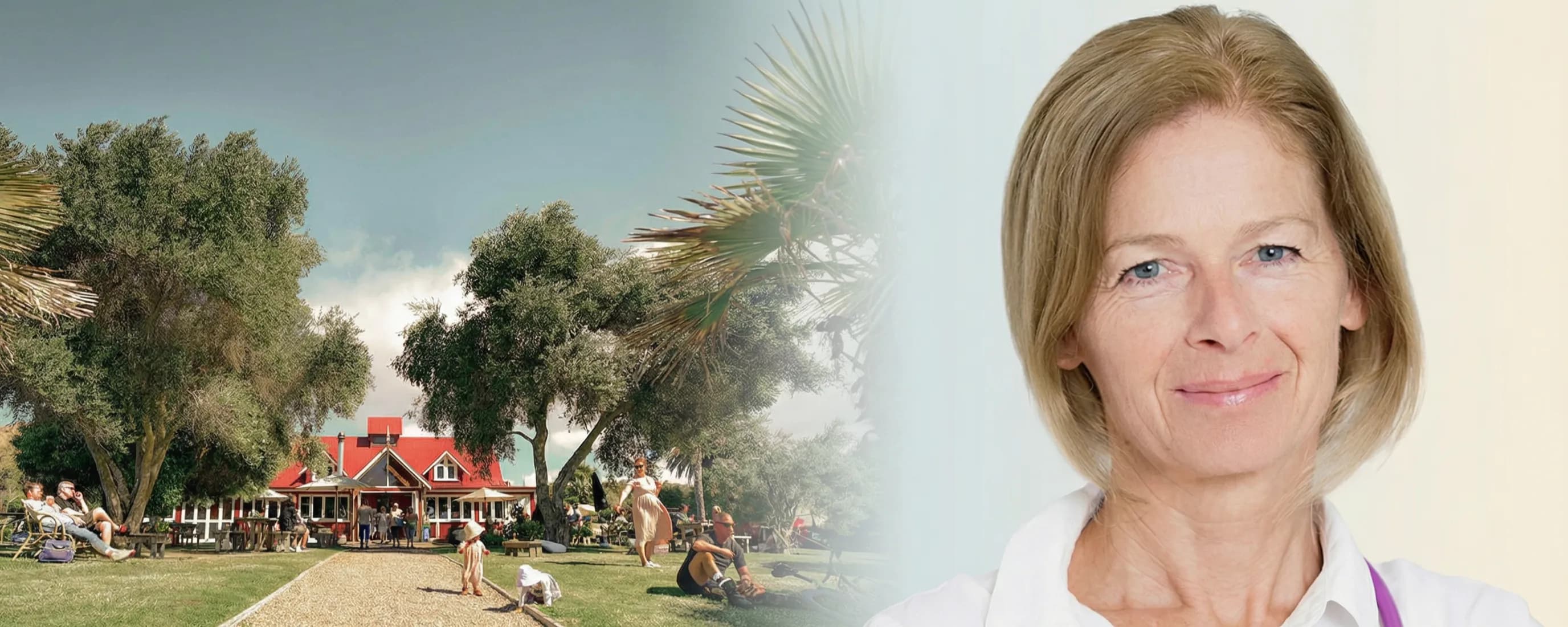
Dr. Inge Haselsteiner: Humanity in Medicine - Empowering the Lost Women Learning Lunch
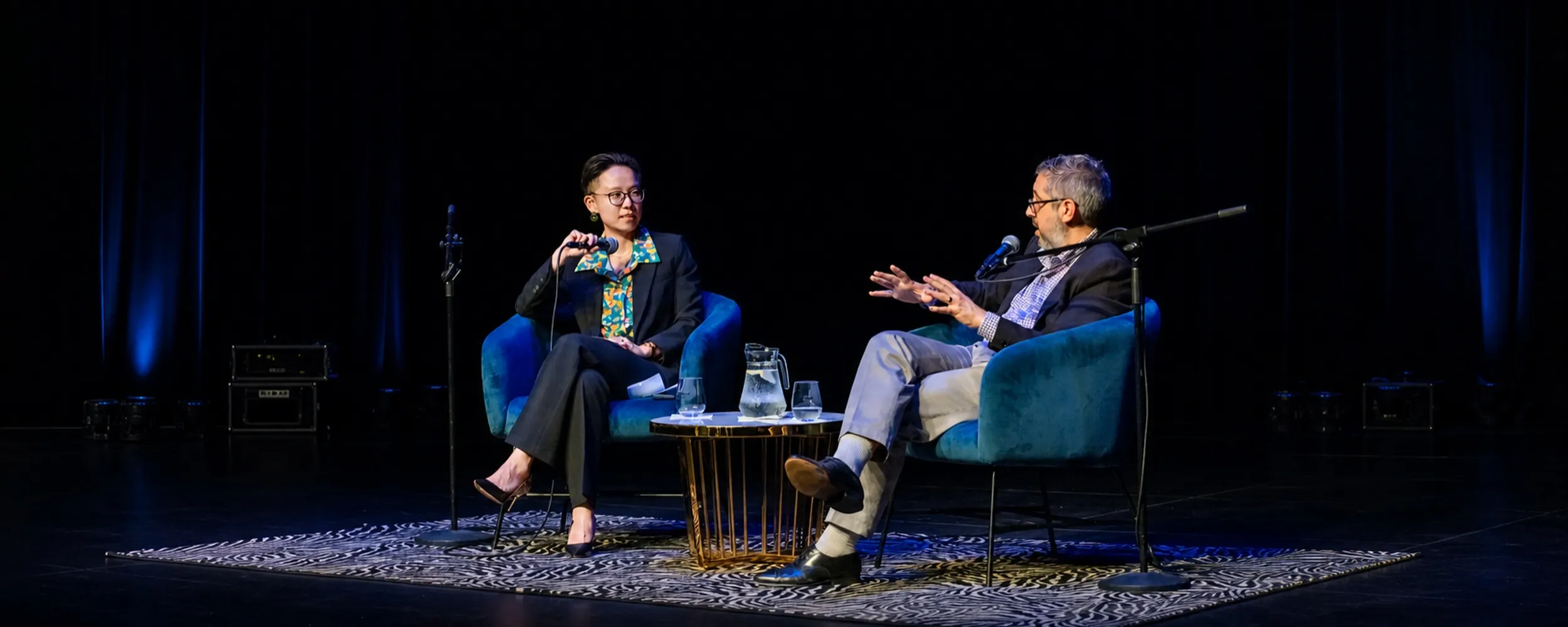
Yijin Liu: Behind the Curtain: How Great Shows Are Made - From Broadway to Auckland
 POPULAR
Everybody Eats: A Seat at the Table: Food, Community & Connection
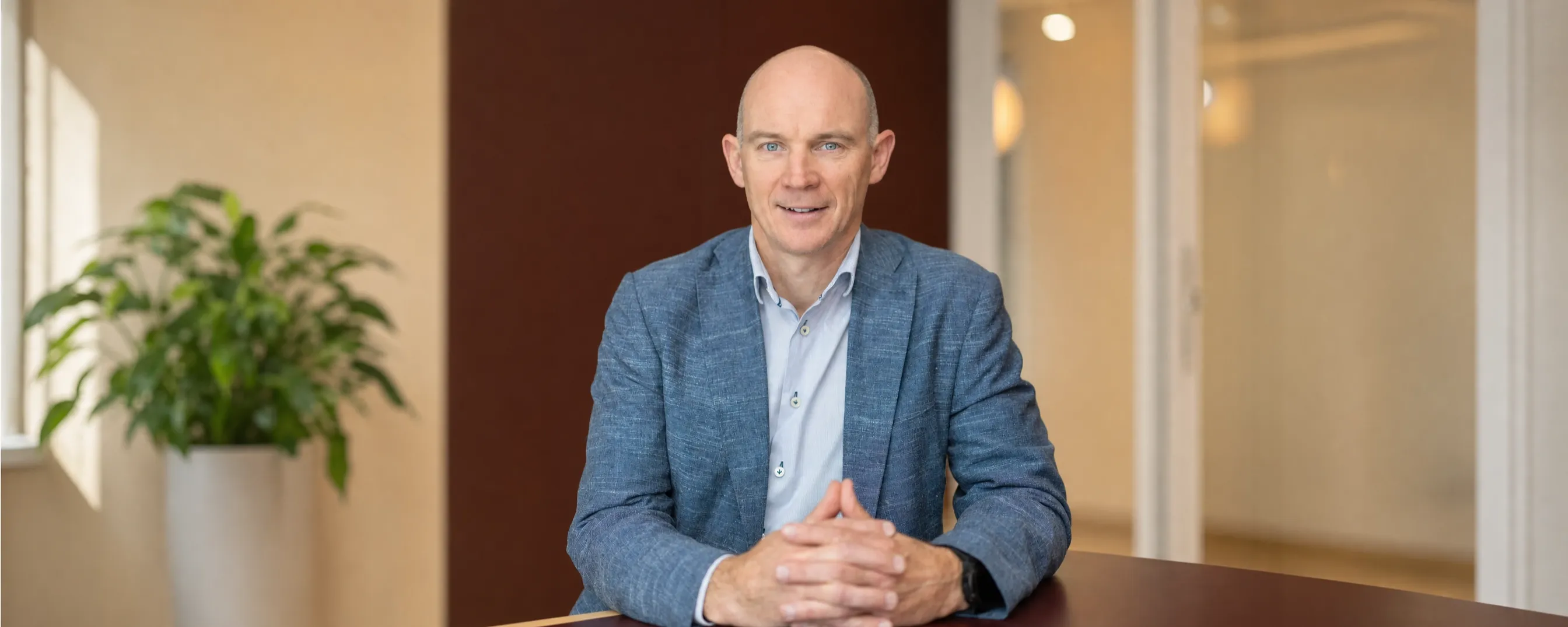
Tony Martin: From Seedling to Sensation - How New Zealand Creates the Apples and Pears of the Future Learning Lunch
 POPULAR
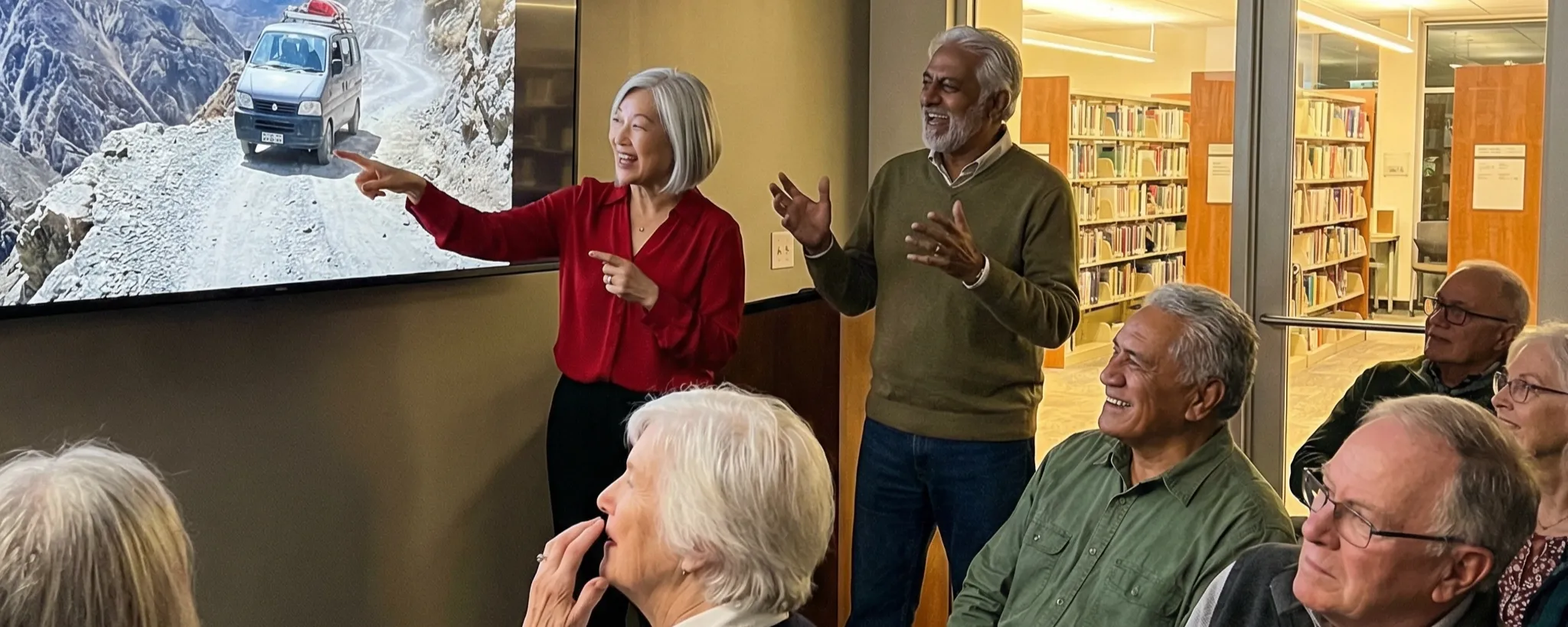
World Experiences 6-week workshop series
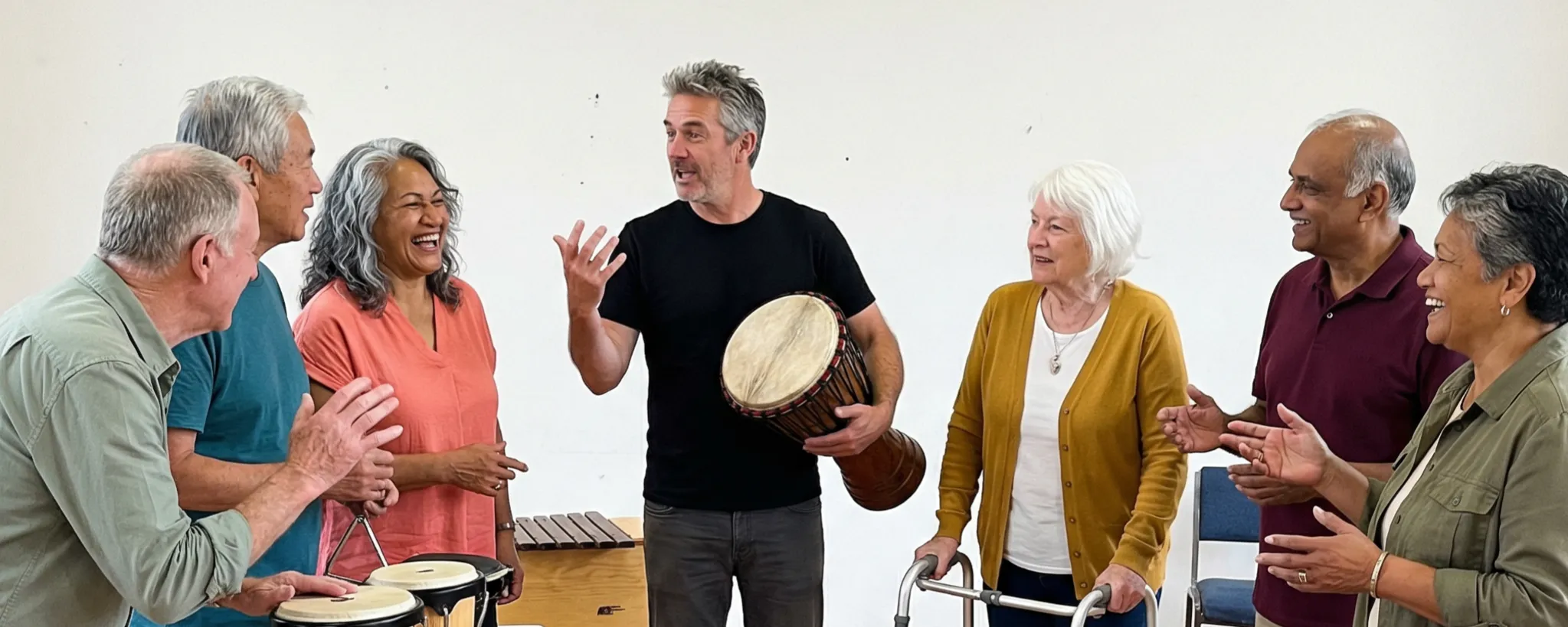
Creative Arts & Music 5-week Course
 POPULAR
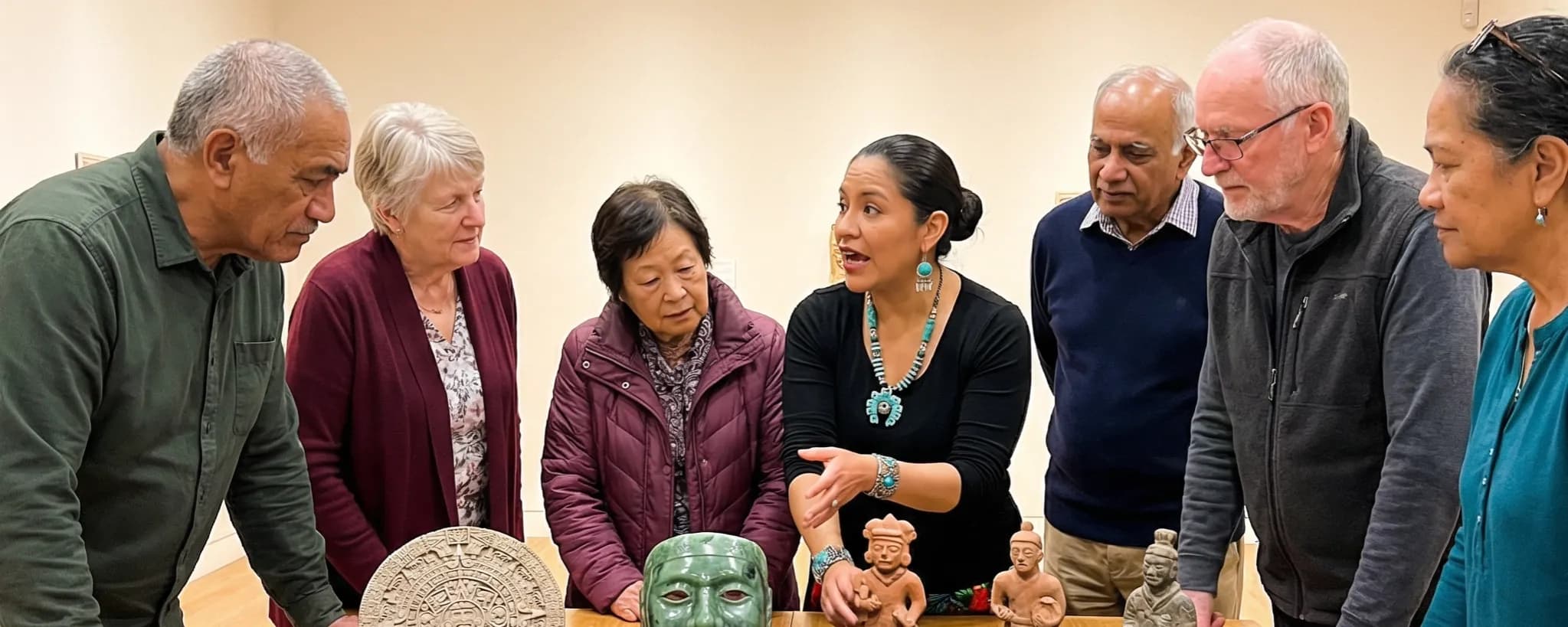
Society, Culture and Human Behaviour 6-week workshop series
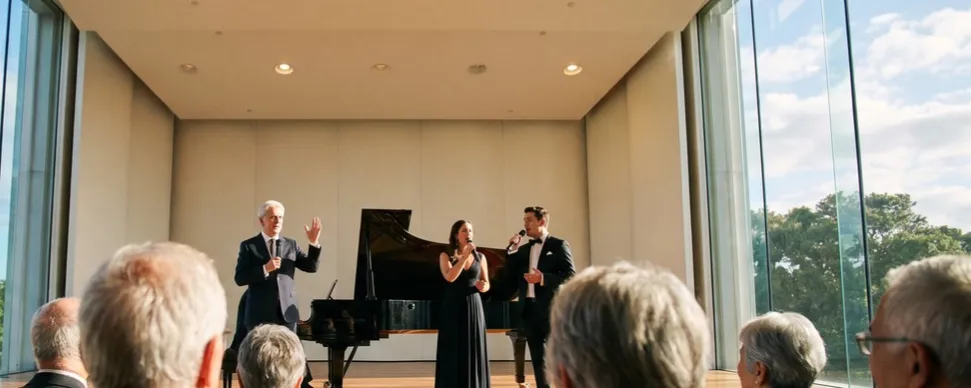
The World of Music 6-week Course

The Think & Drink

The Think & Drink

Safe Smart Savvy: A Three-Session Series to Help You Stay Safe Online

The Think & Drink

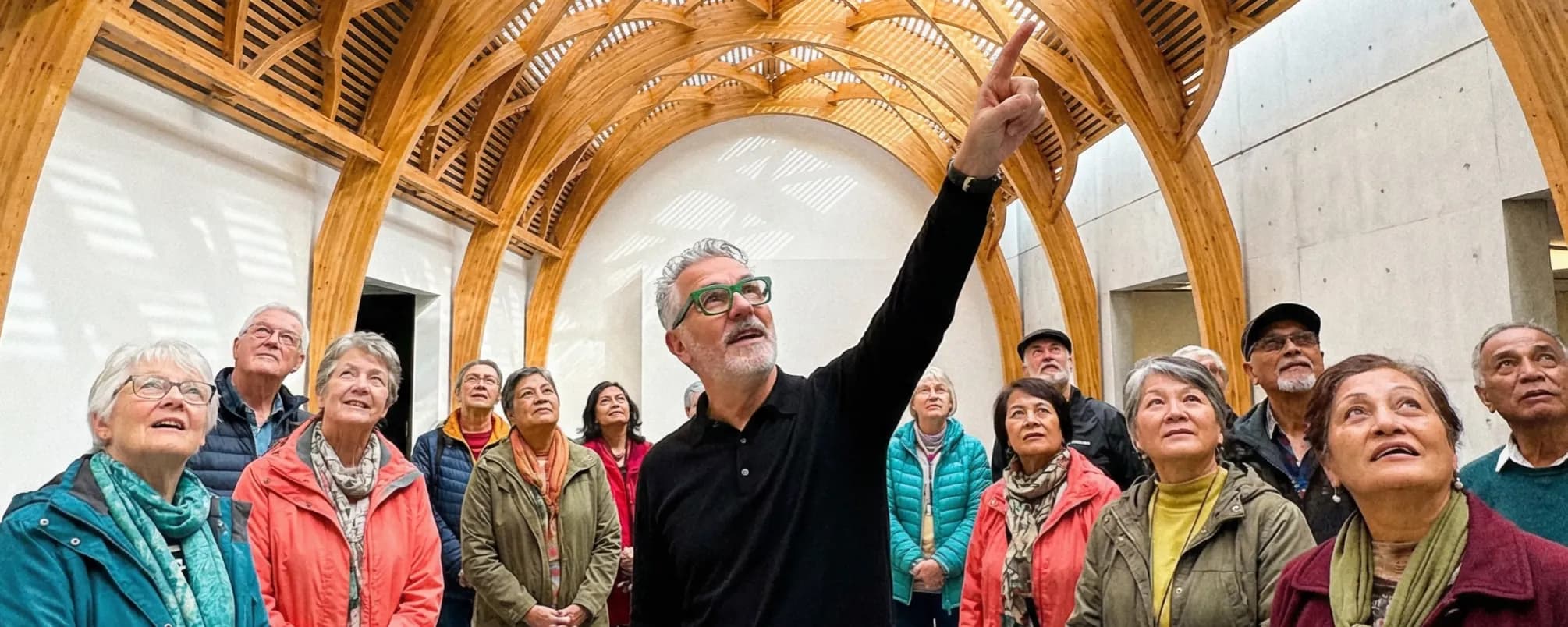
Learning Adventure: A Journey of Peace and Heritage: Kopua Monastery & Paper Mulberry Café
 POPULAR
The Built World 6-week course
 POPULAR
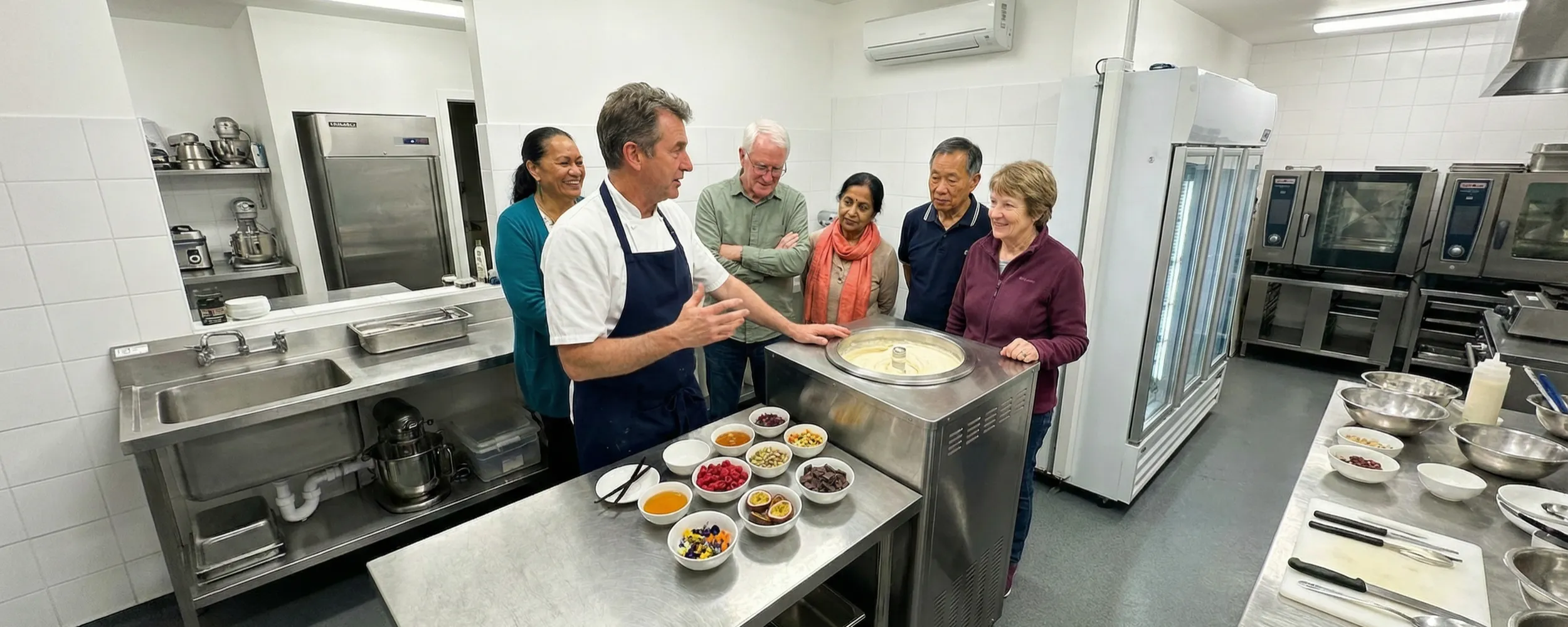
Culinary 6-week course
 POPULAR
Learning Adventure: A Journey of Peace and Heritage: Kopua Monastery & Paper Mulberry Café
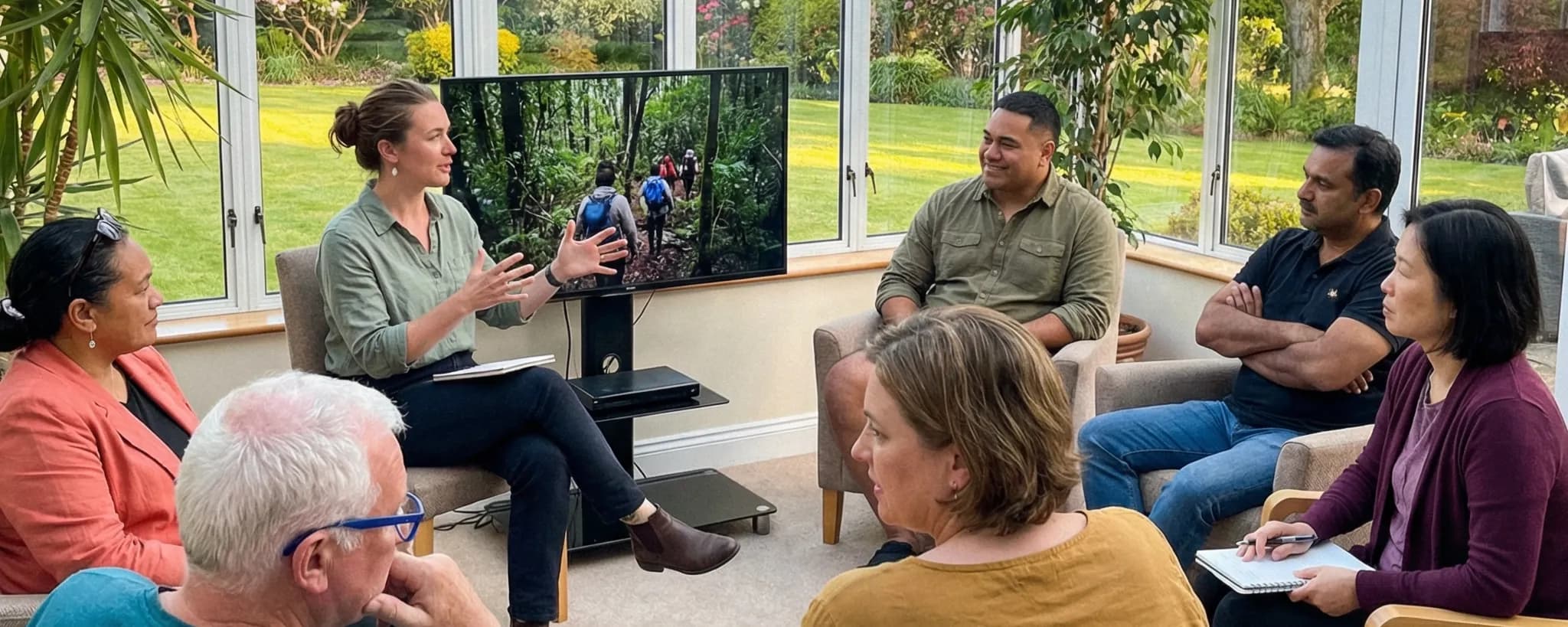
The Living World 6-week course
 POPULAR
History of the World 6-week course
Meet our Love Heart team
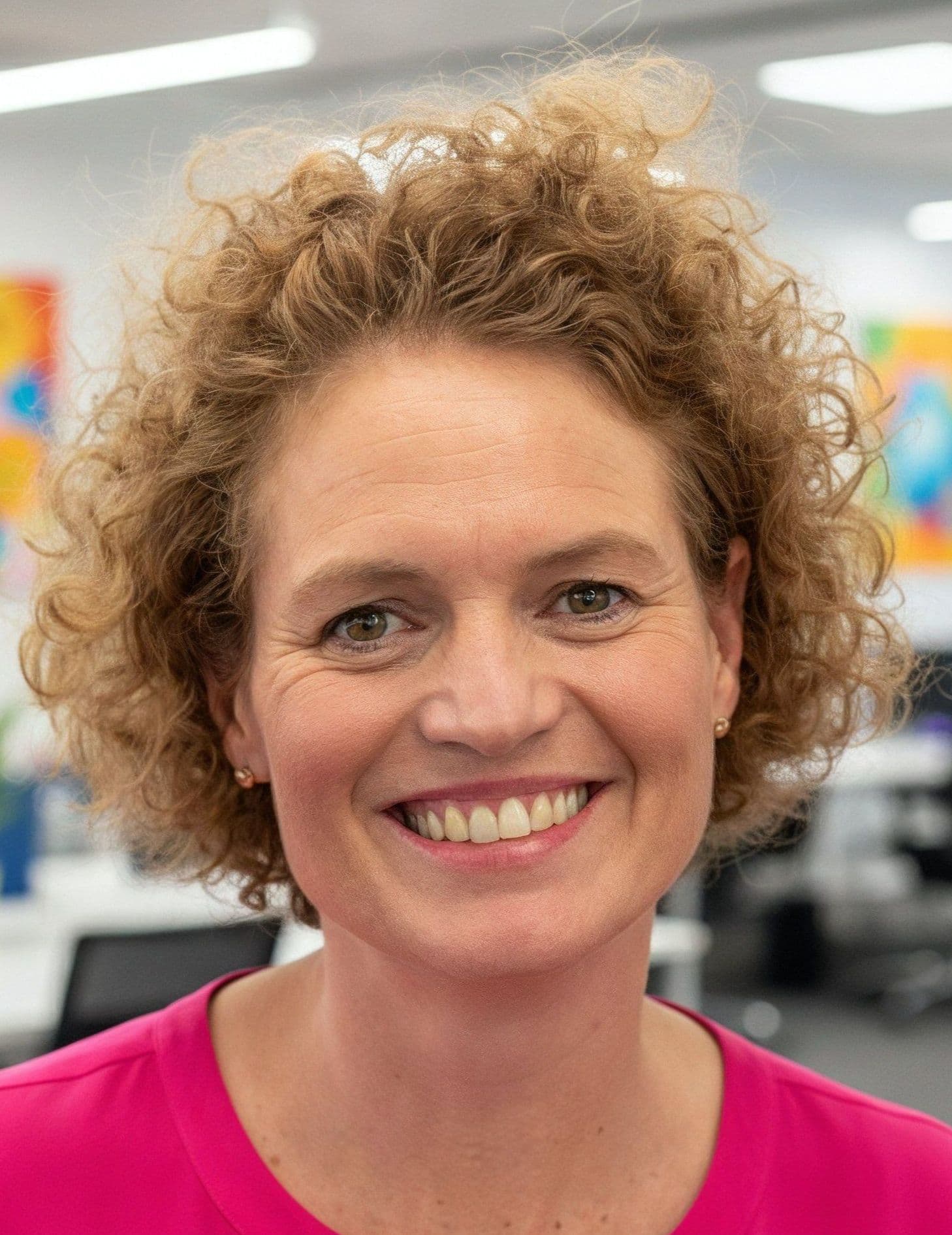
Fee Webby
Fee Webby is based in Hawke's Bay and is the co-founder and Managing Director of Love Heart. Fee is a dynamic leader known for her ability to operationalise high-impact educational initiatives. Having served as the General Manager of The Mind Lab and Tech Futures Lab, Fee has been instrumental in delivering postgraduate programmes and workshops that focus on digital skills, human potential, and sustainability. Fee's background spans both creative agencies and education. She possesses a deep understanding of behavioural shifts in the workplace and how to remove barriers to learning. Fee is highly regarded for her ability to connect people with the tools they need to succeed, making complex concepts accessible through her engaging and optimistic approach to learning.
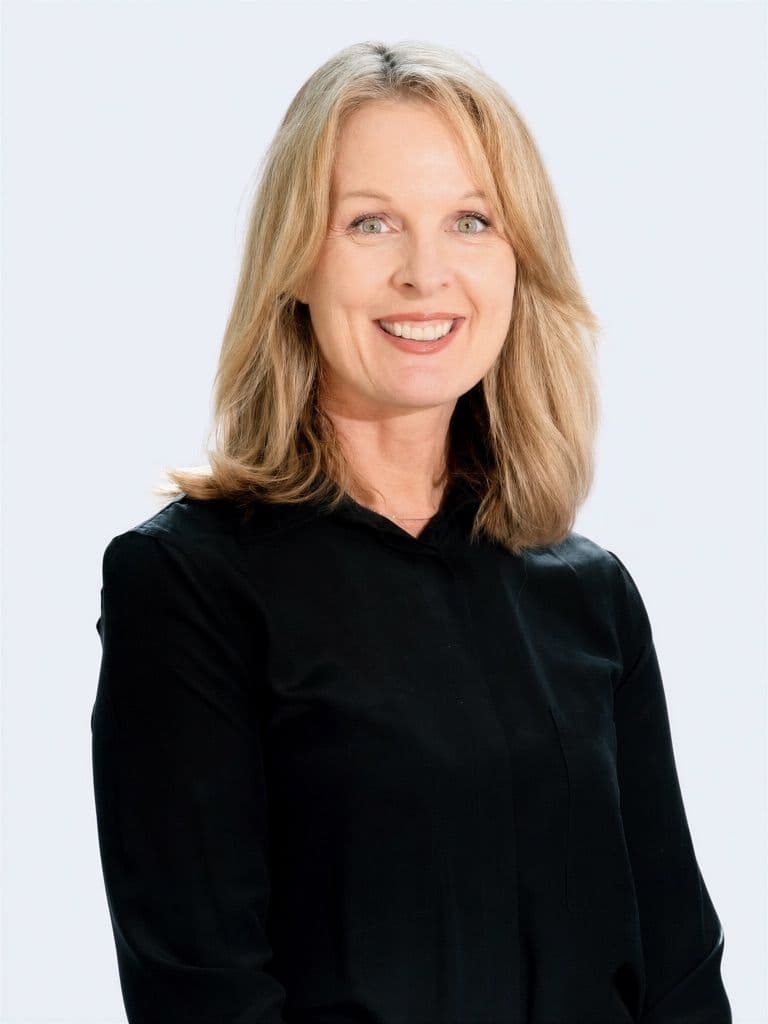
Frances Valintine CNZM
Frances Valintine is based in Auckland and is the co-founder and advisor to Love Heart. She brings her passion for education and for learning to everything she does, from speaking on global stages to mentoring leaders and facilitating sessions at the frontier of change. Frances has dedicated her life to her education initiatives that focus on developing a deeper understanding. She is an award-winning educator and futurist who has spent over 25 years at the forefront of educational innovation. As the founder of academyEX, The Mind Lab, and Tech Futures Lab, she has pioneered learning models that bridge the gap between traditional education and the demands of the digital economy. Frances is a Companion of the New Zealand Order of Merit (CNZM) — an honour awarded for her lifetime contribution to education and technology. She has been recognised globally as one of the top 50 EdTech educators in the world. Her expertise lies in identifying "the next big thing" and helping individuals unlearn and relearn to stay relevant as artificial intelligence and automation reshape our society. She is the Founder and Board Chair of academyEX, a board member of the University of Silicon Valley, and she holds a Master's degree from the University of Melbourne.
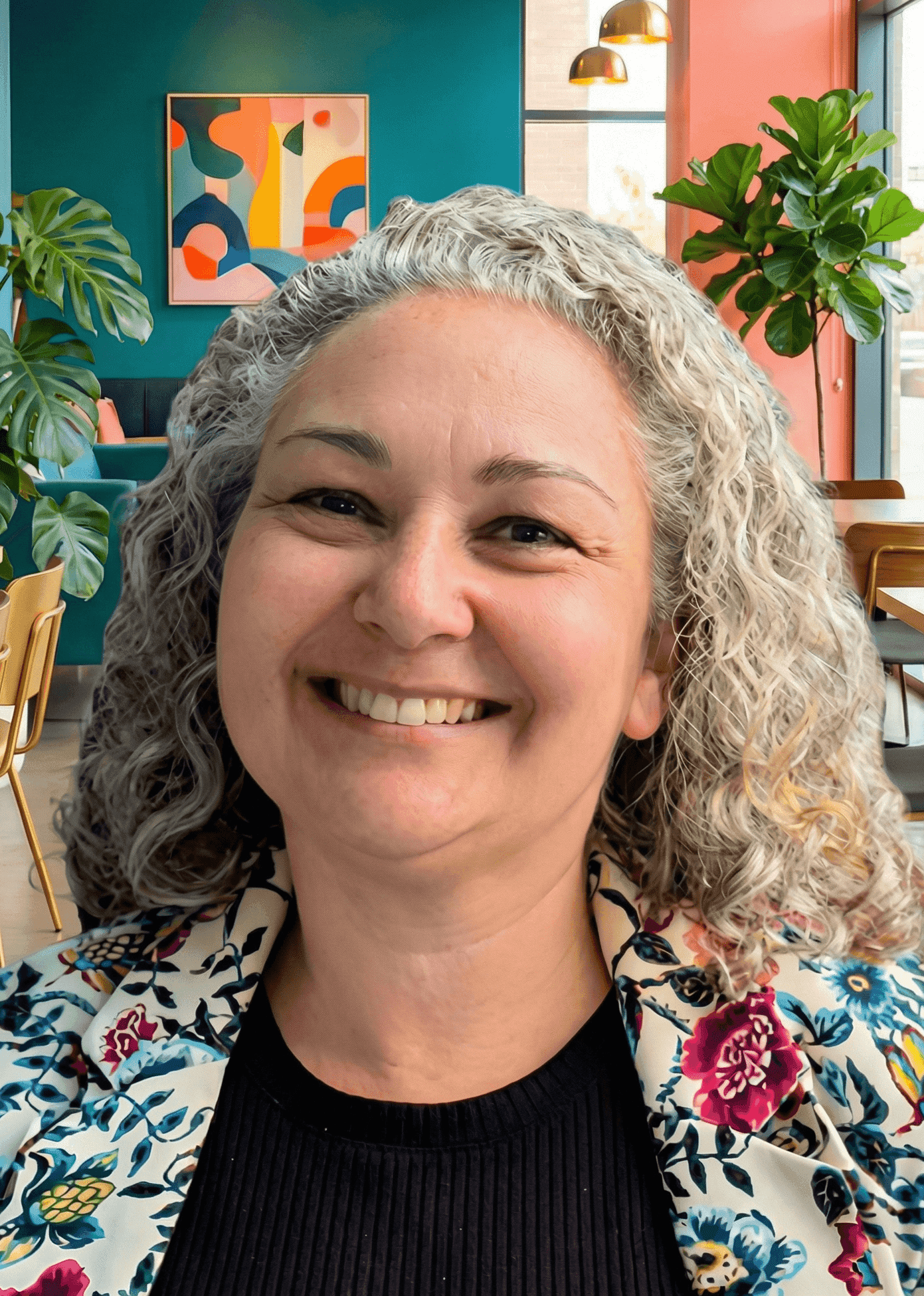
Melissa Fincham
Melissa is Auckland-based and the Learner Experience Planner for Love Heart. With a rich background in education and education program management, Melissa has spent years fostering environments where people can collaborate, learn, and inspire one another.
Prior to joining Love Heart, she spent a decade at The Mind Lab and academyEX, playing a pivotal role in supporting leadership and cultivating spaces for bold, interesting conversations. Her earlier work as an Engagement Manager at The Mind Lab further highlights her commitment to empowering learners and educators with contemporary knowledge and practical skills. Before her work in the education innovation space, Melissa built a robust career in marketing and program management within the technology sector. She spent 21 years at HP (previously Compaq), culminating in her role as Education Programme Manager, where she successfully implemented education programs and events across New Zealand's early childhood, primary, secondary, and tertiary sectors.
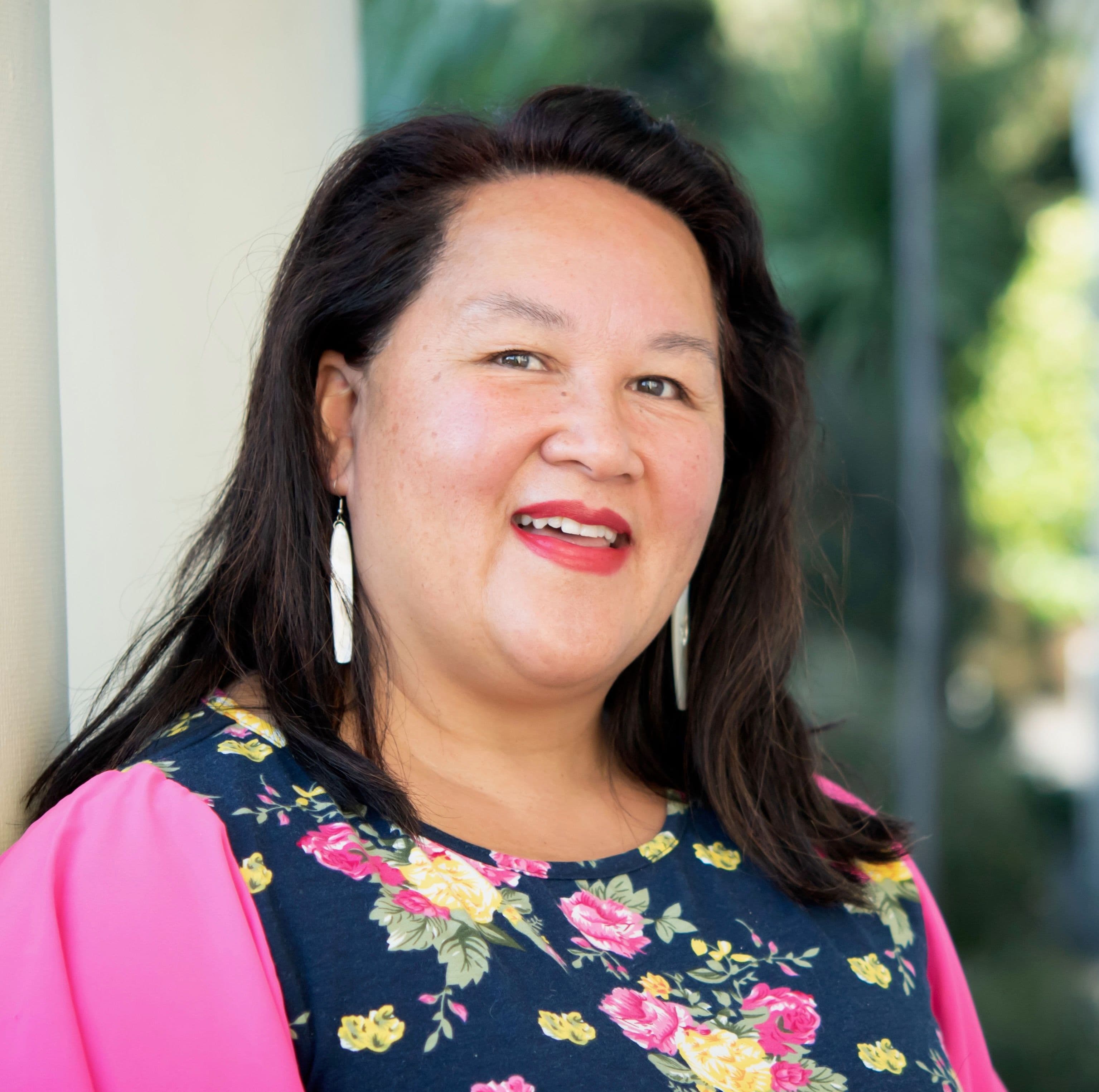
Christina Tay
Christina is a lifelong learner with a profound passion for exploring diverse cultures and disciplines. Her curiosity has inspired extensive global travel, from teaching English to Buddhist monks in Laos and volunteering at a Thai orphanage to visiting museums across Europe, the UK, and Asia. A highlight of her travels is the Bishop Museum in Hawai'i, which she visits frequently, including during the 2014 World Indigenous Peoples' Conference on Education.
Her academic journey began with law and politics at Waikato University, where she discovered dispute resolution. She subsequently earned a Master’s in Mediation and Conflict Resolution from Strathclyde University, UK. This period included an exchange at the East China University of Political Science and Law in Shanghai and research in Hong Kong on the ombudsman's role.
Currently a Learning Facilitator for Love Heart Social Learning, Christina also teaches the Restorative Practices microcredential at Victoria University. A fully accredited restorative justice facilitator and assessor, she recently delivered mediation training in Micronesia. Previously, she served as Director of Employee Assistance Resolution Services at Victoria University.
Outside of work, Christina enjoys connecting with loved ones and attending international events, such as the 2025 Restorative Practices conference in Singapore, to continually expand her expertise.
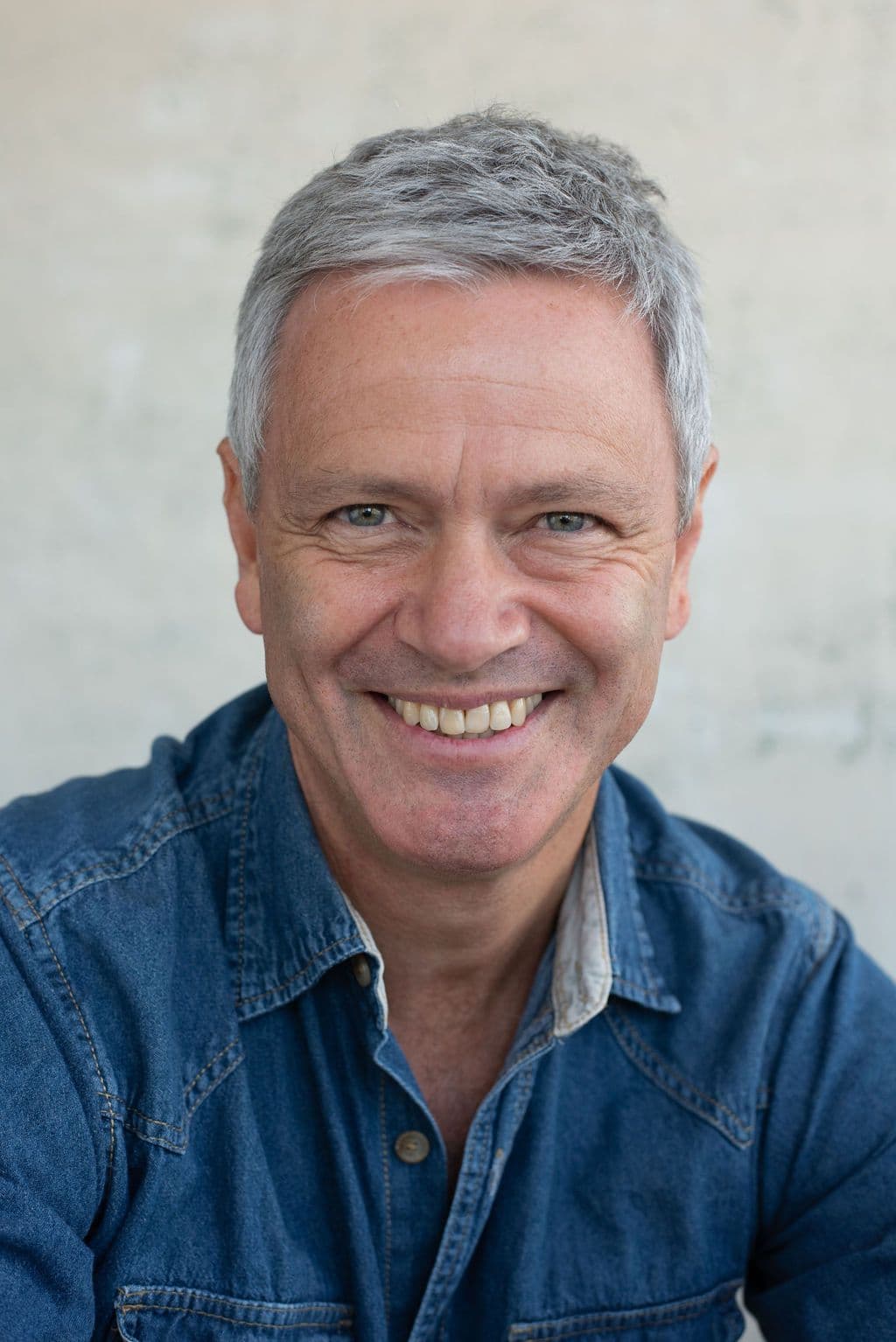
Matthew Cutts
Husband. Brother. Cool Uncle. Life-Long Learner and professional Optimist.
Before returning to NZ and heading back to school, Matthew spent 27 years performing leading roles in many of the West End’s biggest musicals. Starlight Express, Jersey boys, Mamma Mia, Cats, Miss Saigon and Grease to name a few. It was a career that gave him skills he’s grateful to have learned and strives to maintain. It also provided him with some great stories!
In 2020, Matthew received his Master's in Technological Futures and quickly put it to use by developing and launching Bank of Smiles, a non-profit, global wellbeing app - v2.0 is currently in production so keep your eyes peeled! Most recently Matthew has been sharing his love of Storytelling by helping organisations find better ways to connect with people and communicate effectively - 27 years on stage taught him it's not always easy. Learning has been a constant and incredibly important part of Matthew's life - from music and choreography to technology and assorted corporate acronyms. Being part of the Love Heart team means he now gets to spread the word.
"Recent evidence showing that adults underinvest in training even when returns significantly exceed the costs"
OECD article link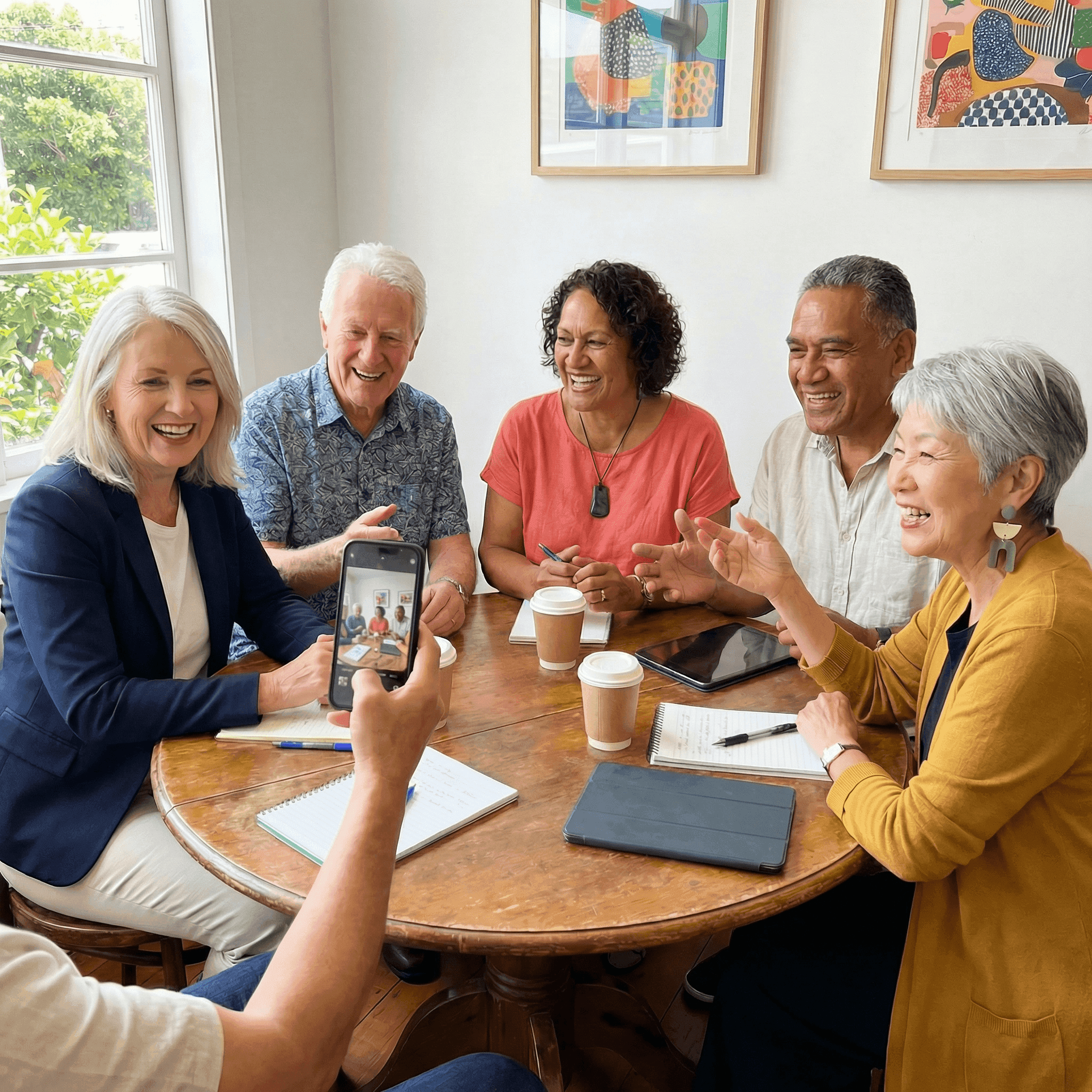
The Gift of Learning
The team at Love Heart have spent the better part of three decades working in education. We have watched how learning transforms people — not just what they know, but who they become. And yet, for all the attention we pay to childhood education, to university degrees, to corporate training programmes, we have consistently underestimated the most powerful learning window of all: the years after sixty. Love Heart wants to change that.
Love Heart believes that the years that come after sixty are not a winding down but an opening up: a stage of life rich with curiosity, perspective, and the particular freedom that comes from knowing what actually matters.
Love Heart exists because the world presents so many diverse topics to explore, because learning alongside other curious, engaged people is one of the great pleasures available to us, and because the conversations that happen when informed people have the space to think create abundant opportunities for growth and connection.

Article
The Science Is In: Learning Later in Life Is One of the Best Things You Can Do For Your Brain and Body
March 30, 2026
The old idea that the brain is essentially "set" by middle age has been comprehensively dismantled. Neuroscience now confirms that the brain retains neuroplasticity — the ability to form new neural connections and adapt — throughout our entire lives. Researchers at the American Psychological Association are actively leveraging this understanding to develop programmes that boost cognitive function in older adults.
The brain you have at sixty-five is not a diminished version of the brain you had at thirty-five. It is a different brain — one with more pattern recognition, more contextual wisdom, and, crucially, more capacity to benefit from structured learning than we ever previously understood.
A landmark 2025 study published in Innovation in Aging by researchers at Duke University and the University of California, Davis, followed thousands of older Americans and found that people who engaged in learning activities in later life showed significantly better cognitive function over time. The finding that stopped me in my tracks: the cognitive function of a 71-year-old who engaged in later-life learning was, on average, comparable to that of a 65-year-old who did not engage in later-life learning. That is the equivalent of a nearly six-year delay in cognitive decline — not from a pharmaceutical intervention, not from surgery, but from the simple act of continuing to learn.
The NIH's landmark ACTIVE study, which followed 2,021 adults aged 65 and older over twenty years, found that a specific cognitive training programme — just five to six weeks of sessions — was associated with a 25% lower rate of dementia diagnosis over the following two decades, as tracked through Medicare claims data.
Twenty years of protection from a few weeks of engagement. That is not a marginal finding. That is a revolution in how we should think about learning as a health intervention. The Social Dimension Is Not a Bonus. It Is the Point.
Here is what the research makes abundantly clear: learning in isolation is useful. Learning with other people is transformative. A 2025 study in Frontiers in Public Health found that social engagement in group settings plays a measurable protective role for cognitive health in older adults.
The act of discussing a new idea, of having your thinking challenged by someone sitting across the table from you, of forming a friendship with someone you would never have met otherwise, are neurologically significant events. The World Health Organisation estimates that approximately 11.8% of older people worldwide experience loneliness, and the evidence linking social isolation to mortality, disability, and dementia is now unambiguous. A 2024 cohort study published in JAMA Network Open found that increased social isolation was associated with elevated risks of all three.
Social connection is not a nice-to-have. It is a health imperative.
What makes social learning so powerful is that it addresses both dimensions simultaneously. You are not just stimulating your brain — you are building the kind of meaningful human connection that research consistently shows extends both the length and quality of life.
References
[1] American Psychological Association — How learning protects the aging brain (2026)
[3] Duke University School of Nursing — Preventing Dementia with Later-Life Learning (2025)
[6] World Health Organisation — Social Isolation and Loneliness
[7] Lyu, C. et al. — Social Isolation Changes and Long-Term Outcomes, JAMA Network Open (2024 )
[8] News-Medical — Lifelong learning helps older adults build mental resilience (2025 )
[10] Ohio State University — Lifelong learning offers many benefits for older adults (2026)