

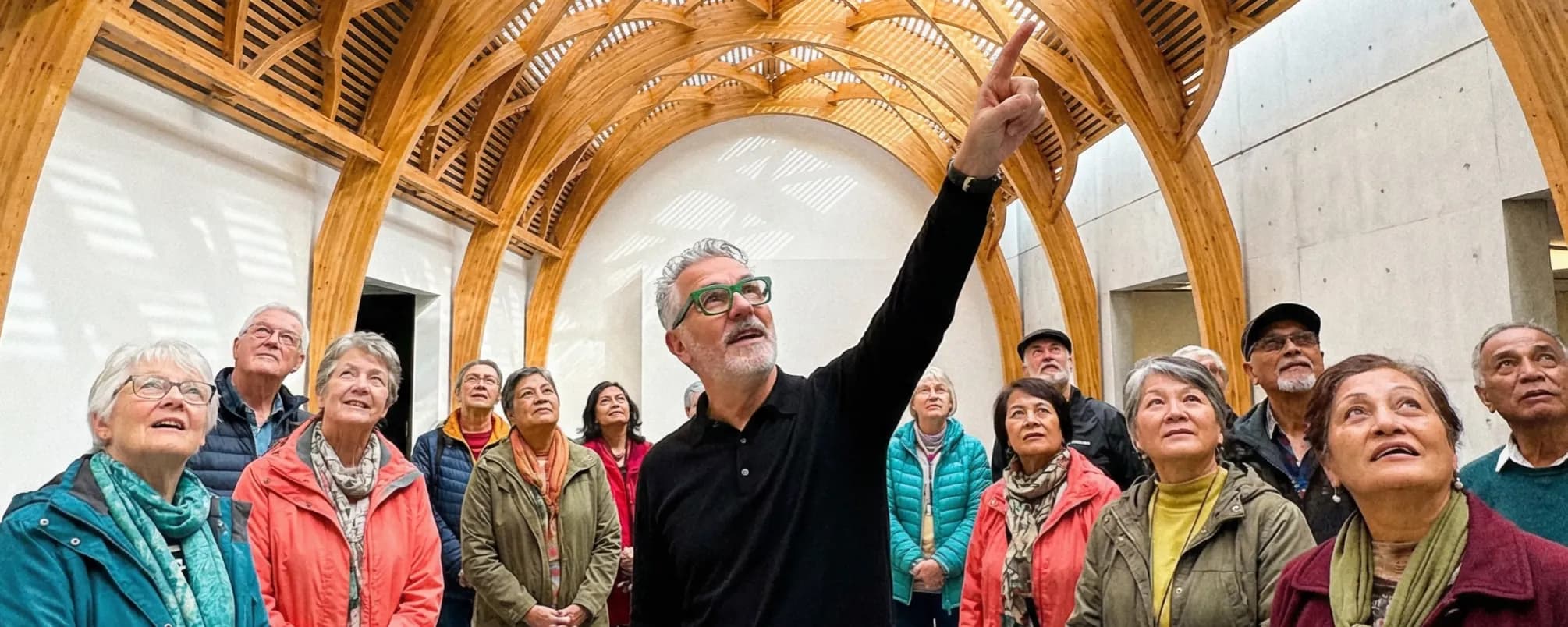
This 6-week course examines the architecture, urban planning, and engineering marvels that define our physical environment. Expert architects and engineers will cover topics as diverse as sustainable building, historical monuments, modern infrastructure, and smart city planning. Sessions will be engaging and provide you with a deep understanding of the spaces and structures we inhabit. Suitable for all.
Be ready to look at your surroundings and see the built world in an entirely new light.
This course will run for 6 weeks on the following:
Dates:
- Thursday 21st January, 2027
- Thursday 28th January, 2027
- Thursday 4th February, 2027
- Thursday 11th February, 2027
- Thursday 18th February, 2027
- Thursday 25th February, 2027
Time & format: The course will start at 10am, with a coffee and tea break followed by a lively facilitated discussion to answer all your curious questions. The course will finish at 12pm each week.
Location: We are delighted to be hosting Hygge at Clifton Bay Clifton Road, Te Awanga, New Zealand
About the experts

Mazin Bahho
Mazin Bahho is a retired academic formerly affiliated with IDEAschool at the Eastern Institute of Technology (EIT), New Zealand, as a senior lecturer of Design. He completed his PhD Degree in Architecture in 2018 from Victoria University of Wellington, New Zealand.
His research is grounded in design education, with particular emphasis on interdisciplinary pedagogy, practice-led inquiry, and community-engaged learning. Identity and sense of place are also paramount to his process, focusing on the significance of history and culture as a way of exploring patterns that can be expressed in the contemporary.
Following his retirement, he remains actively engaged in research and publication, continuing to contribute to scholarly discourse in design education and sustainability.
SESSION Abstract: The Rise of Modernism
Modernism is the first movement that is considered global. It is both a philosophical movement and an arts movement that, along with cultural trends and changes, arose from wide-scale and far-reaching transformations in Western society during the late 19th and early 20th centuries.
The modern movement is also a mode of thinking that has transformed society and ran across all the novelties in the arts and the other disciplines. Guided by form follows function, it was a revolutionary shift rejecting historical ornamentation for minimalism, functionality, and industrial materials like steel, glass, and concrete.
The presentation looks at key aspects that shaped Modernism and provides examples that explain the underlying concepts discussing these topics:
- Modernism: a philosophical movement and an arts movement.
- The beginning: Why, where, and how?
- The ideals of modernism.
- The Bauhaus.
- The Early Masters' examples of their celebrated works.
Debate about the relevancy and timeline of modernism continues, with some scholars arguing that it evolved into late modernism or high modernism. Postmodernism, meanwhile, rejects many of the principles of modernism.
SESSION Abstract: Design Inspired by Nature (Biomimicry)
Design Inspired by Nature (Biomimicry) is a design approach that emulates the strategies and solutions found in nature to solve human problems. The idea behind this strategy is that nature has already solved many of the problems we face, and we can learn from it to create better solutions for us. It is not just about copying nature, but about understanding the underlying principles behind the methods and solutions found in nature.
The presentation looks at design inspirations by nature and provides examples that explain the underlying concepts. It discusses these topics:
- Analysing natural forms that have inspired design concepts.
- Design looking for biology.
- Biology influencing design
- A framework for understanding levels of natural inspirations:
Organism level
Behaviour level
Ecosystem level
A biomimetic approach to design and architecture could become a vehicle for creating an environment that goes beyond simply sustaining current conditions to become a restorative practice where the human environment becomes a vital component in the integration with and regeneration of natural ecosystems.

Jonathan Pickup
Jonathan Pickup is the founder and director of Archoncad, a leading global destination for Vectorworks training, resources, and community education. Trained as an architect in New Zealand and the UK, Jonathan brings decades of hands-on design industry experience to his educational platform.
As a premier authority on CAD and BIM solutions, he specializes in Vectorworks Architect, 3D Modeling, and Landmark software workflows. Through Archoncad, Jonathan empowers design professionals, architects, and landscapers worldwide to maximize their software potential, streamline their drafting processes, and elevate their creative projects through comprehensive online courses, manuals, and continuous professional development
SESSION Abstract: Buildings Carry Meanings
This course explores the enduring legacy of ancient architectural traditions and their profound influence on the modern built environment. By tracing the evolution of structural logic from Egyptian post-and-beam construction to the symbolic verticality of Gothic cathedrals, students will analyze how form communicates institutional values. Through a comparative study of iconic structures like the Parthenon and the Roman Pantheon, the curriculum decodes the shift from external sculptural aesthetics to internal cosmic symbolism. Finally, by examining New Zealand landmarks in Napier and Auckland, the session demonstrates how contemporary civic and corporate designs replicate classical motifs to project authority, permanence, and security.
SESSION Abstract: Stop Drawing, Start Seeing: Urban Sketching Demystified:
Unlock a brilliant new way of seeing your city. Forget the myth of "natural talent"—sketching is a teachable technical skill that anyone can master. In this energetic, hands-on session, you’ll drop the intimidation and learn the exact rules of perspective, pencil grip, and proportional sighting. We’ll start with simple blocks and quickly build up to capturing vibrant streetscapes and local architecture. Whether you want to communicate design concepts on the fly without a 3D model, or simply want to create lasting memories that photographs can't match, this course makes sketching achievable, useful, and incredibly fun.

Coming soon
New speakers coming soon
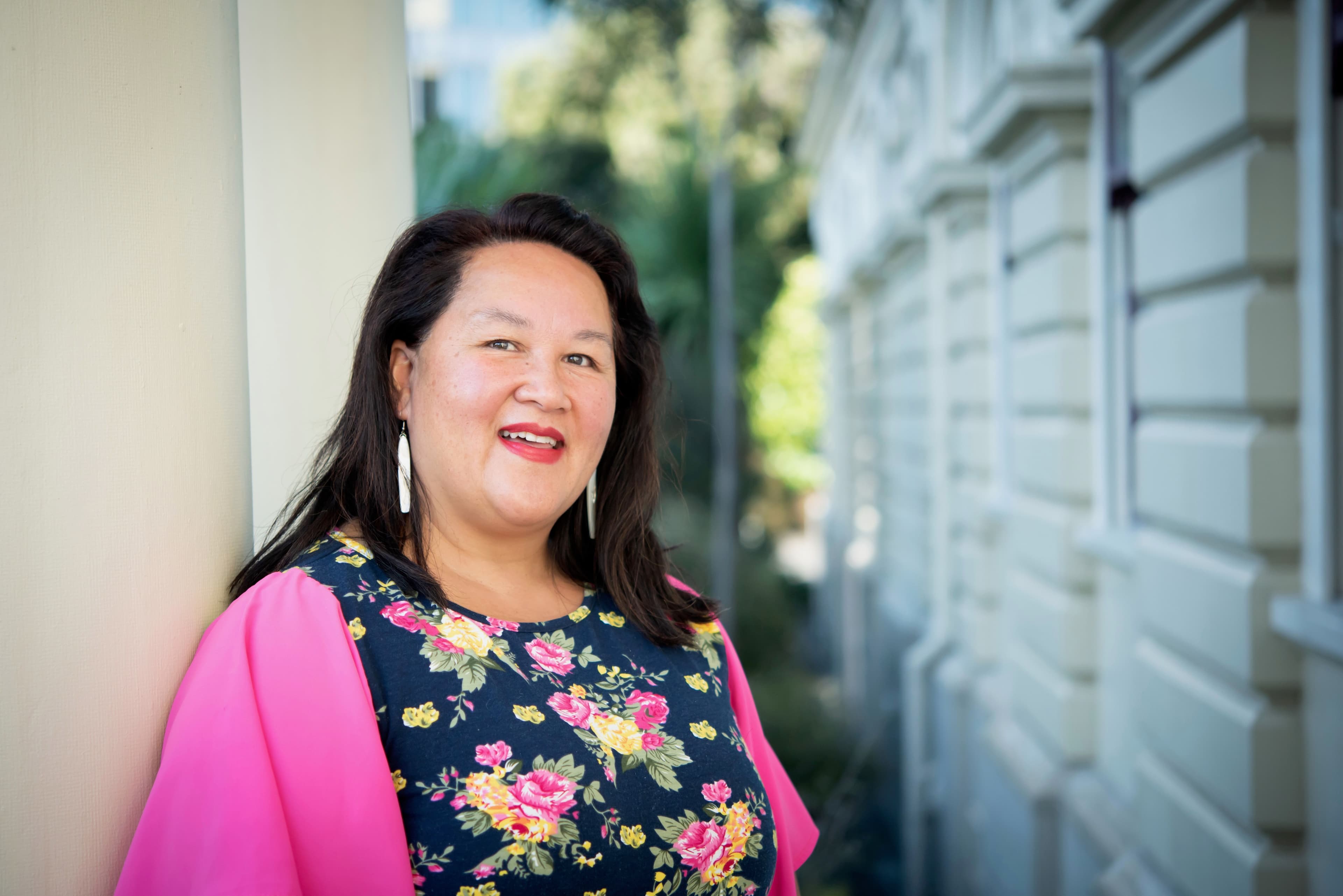
Christina Tay - Learning Facilitator
Christina is a lifelong learner with a profound passion for exploring diverse cultures and disciplines. Her curiosity has inspired extensive global travel, from teaching English to Buddhist monks in Laos and volunteering at a Thai orphanage to visiting museums across Europe, the UK, and Asia. A highlight of her travels is the Bishop Museum in Hawai'i, which she visits frequently, including during the 2014 World Indigenous Peoples' Conference on Education.
Her academic journey began with law and politics at Waikato University, where she discovered dispute resolution. She subsequently earned a Master’s in Mediation and Conflict Resolution from Strathclyde University, UK. This period included an exchange at the East China University of Political Science and Law in Shanghai and research in Hong Kong on the ombudsman's role.
Currently a Learning Facilitator for Love Heart Social Learning, Christina also teaches the Restorative Practices microcredential at Victoria University. A fully accredited restorative justice facilitator and assessor, she recently delivered mediation training in Micronesia. Previously, she served as Director of Employee Assistance Resolution Services at Victoria University.
Outside of work, Christina enjoys connecting with loved ones and attending international events, such as the 2025 Restorative Practices conference in Singapore, to continually expand her expertise.
Other learning activities you may be interested in
 POPULAR
World Experiences 6-week workshop series
Creative Arts & Music 5-week Course
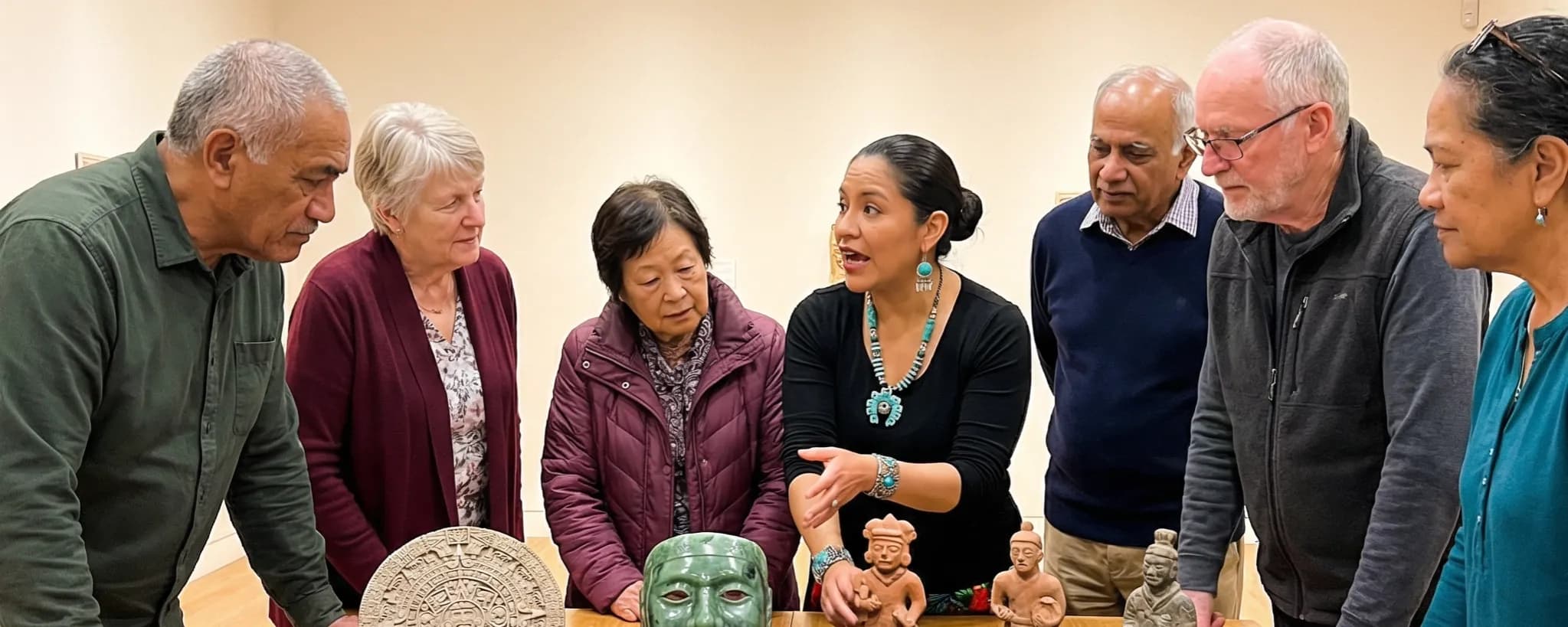 POPULAR
Society, Culture and Human Behaviour 6-week workshop series
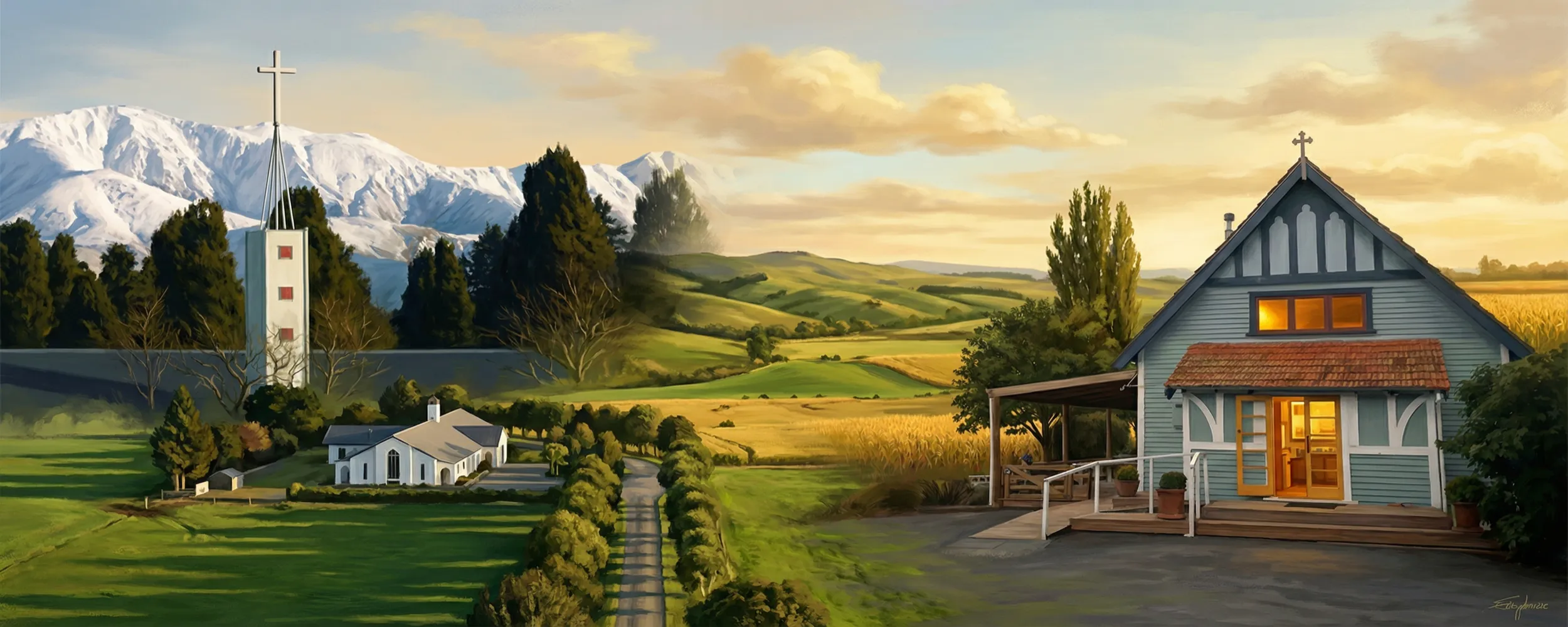
Learning Adventure: A Journey of Peace and Heritage: Kopua Monastery & Paper Mulberry Café
 POPULAR
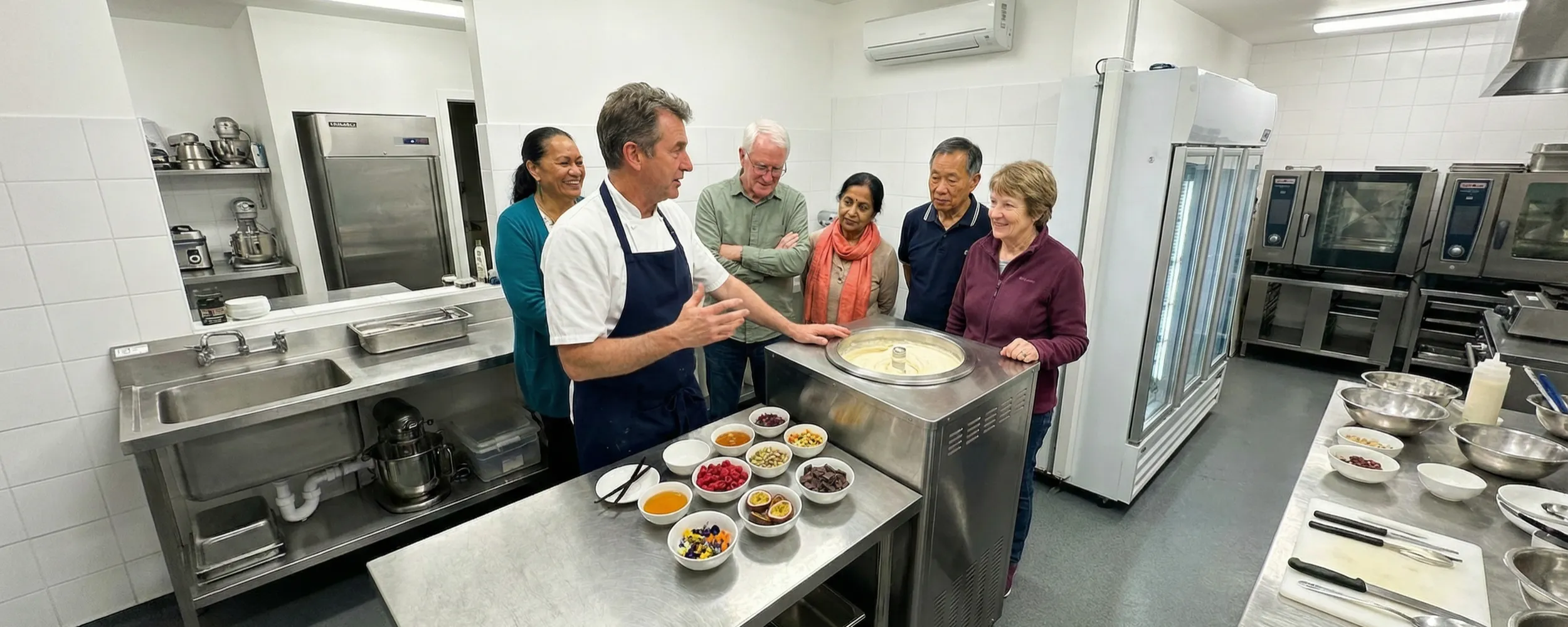
Culinary 6-week course
 POPULAR
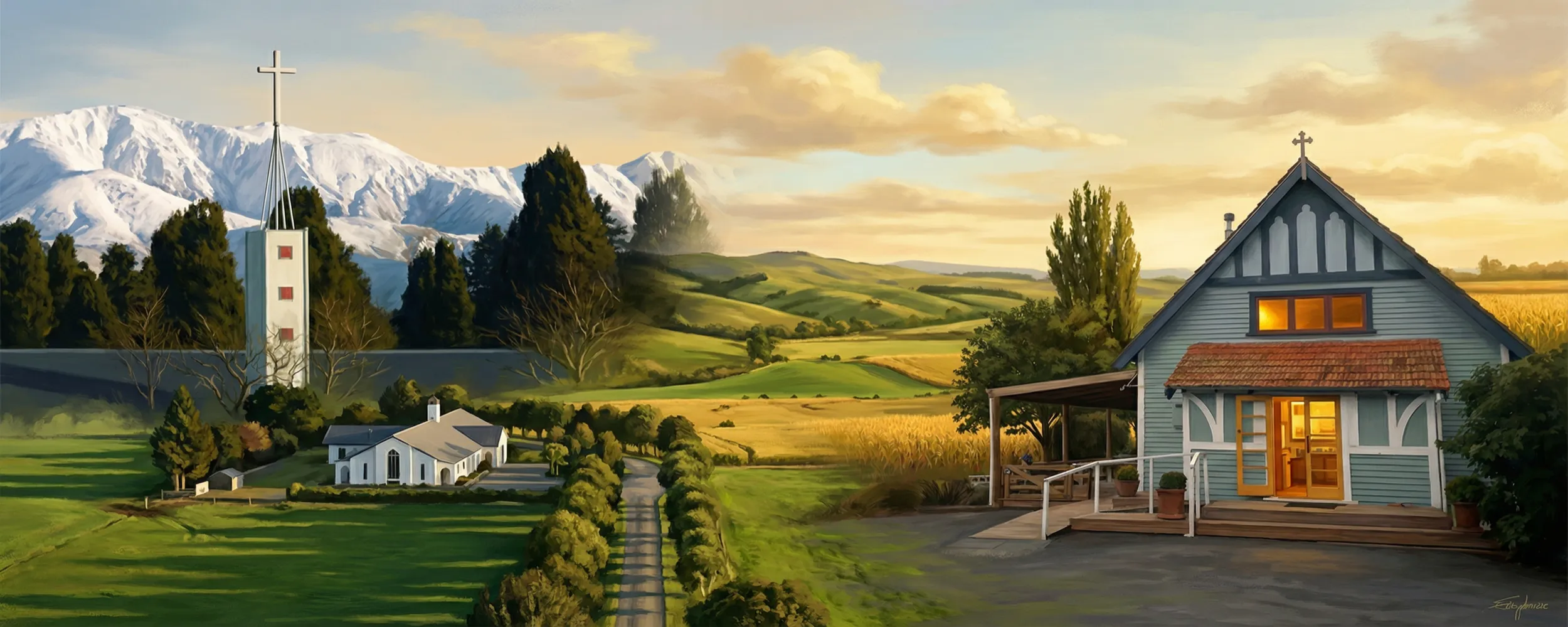
Learning Adventure: A Journey of Peace and Heritage: Kopua Monastery & Paper Mulberry Café
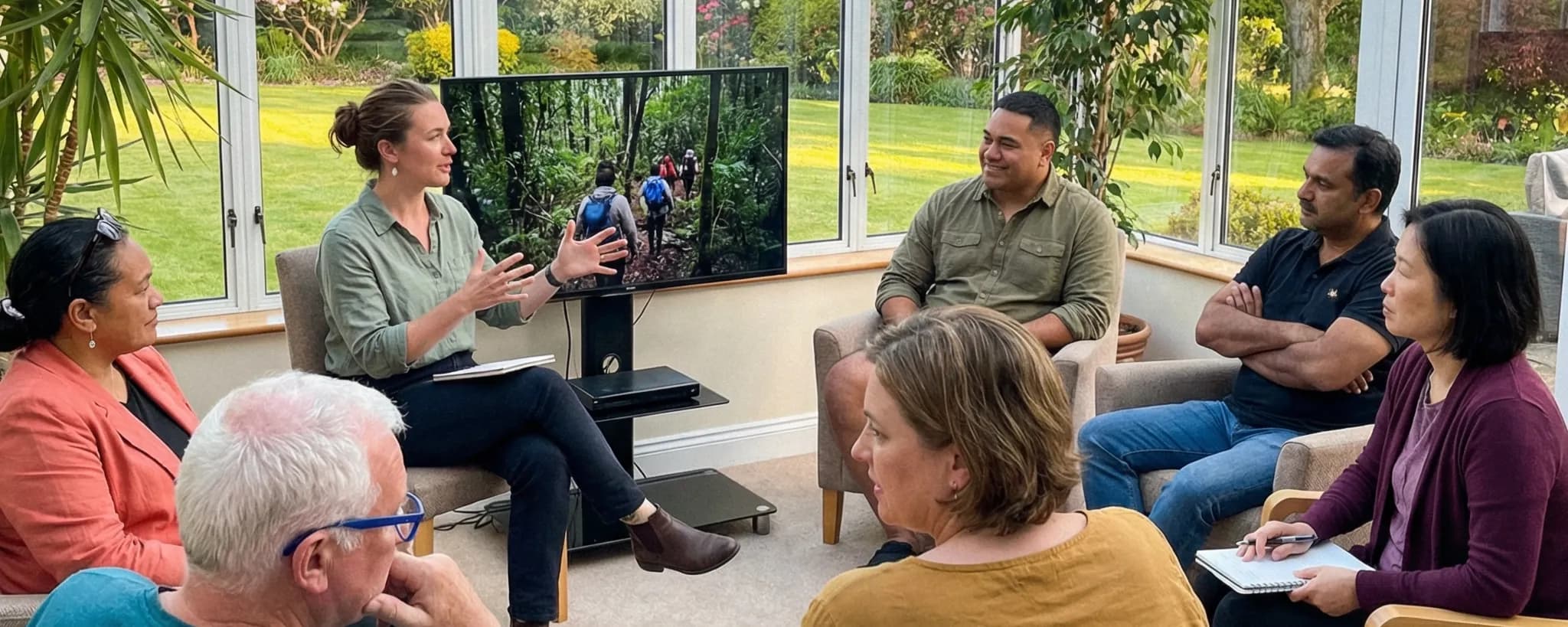
The Living World 6-week course
 POPULAR
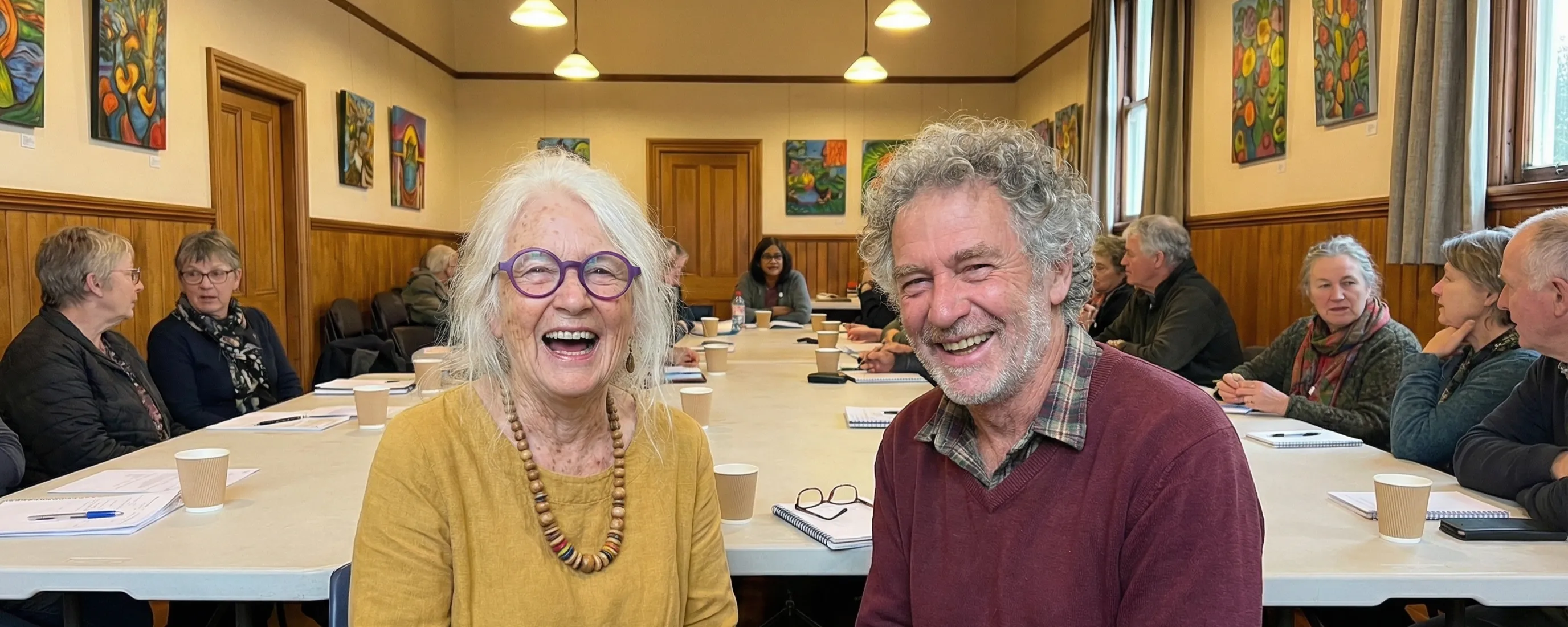
History of the World 6-week course
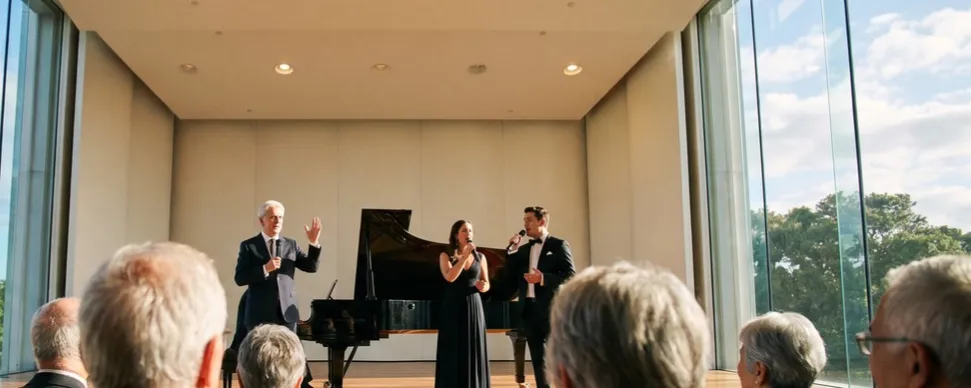
The World of Music 6-week Course

The Think & Drink

The Think & Drink