
You are invited to enjoy a lively session with Mazin Bahho on the topic of The Rise of Modernism.
Modernism is the first movement that is considered global. It is both a philosophical movement and an arts movement that, along with cultural trends and changes, arose from wide-scale and far-reaching transformations in Western society during the late 19th and early 20th centuries.
The modern movement is also a mode of thinking that has transformed society and ran across all the novelties in the arts and the other disciplines. Guided by form follows function, it was a revolutionary shift rejecting historical ornamentation for minimalism, functionality, and industrial materials like steel, glass, and concrete.
This presentation looks at the key aspects that shaped Modernism and provides examples that explain the underlying concepts, discussing these topics:
- Modernism: a philosophical movement and an arts movement.
- The beginning: why, where, and how?
- The ideals of modernism.
- The Bauhaus.
- The early masters: examples of their celebrated works.
Debate about the relevancy and timeline of modernism continues, with some scholars arguing that it evolved into late modernism or high modernism. Postmodernism, meanwhile, rejects many of the principles of modernism.
Practical: What would your city of the future look like? Inspired by what has been discussed, design and create extravagant images for futuristic buildings and spaces that can imaginatively be inhabited. You will be constructing a city of your desires shaping a specific futuristic architectural language in an attempt to live inside a particular fantasy!
Date: Thursday 4th February, 2027
Time & format: The course will start at 10am, with a coffee and tea break followed by a lively facilitated discussion to answer all your curious questions. The course will finish at 12pm each week.
About the expert
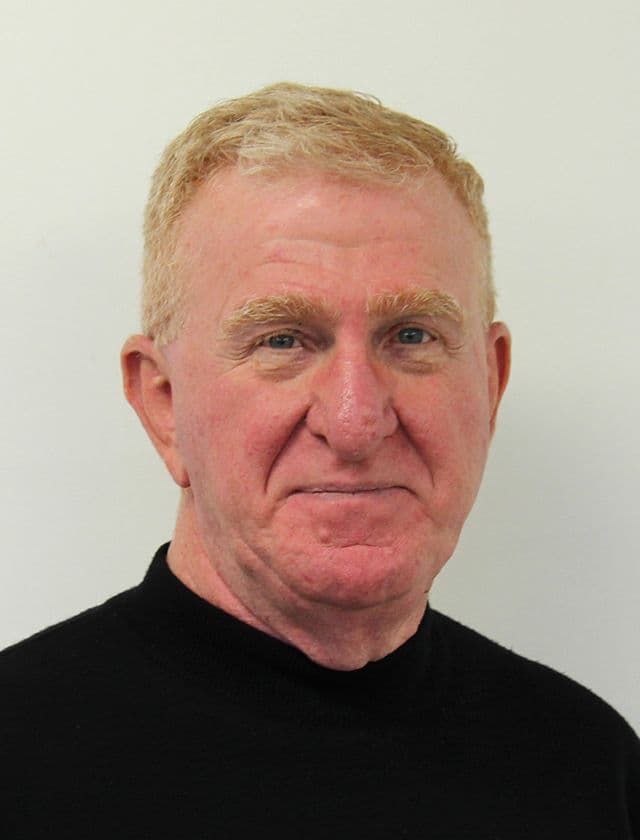
Mazin Bahho
Mazin Bahho is a retired academic formerly affiliated with IDEAschool at the Eastern Institute of Technology (EIT), New Zealand, as a senior lecturer of Design. He completed his PhD Degree in Architecture in 2018 from Victoria University of Wellington, New Zealand.
His research is grounded in design education, with particular emphasis on interdisciplinary pedagogy, practice-led inquiry, and community-engaged learning. Identity and sense of place are also paramount to his process, focusing on the significance of history and culture as a way of exploring patterns that can be expressed in the contemporary.
Following his retirement, he remains actively engaged in research and publication, continuing to contribute to scholarly discourse in design education and sustainability.
Other learning activities you may be interested in
 POPULAR
Technological Impact 6-week course
Technological Impact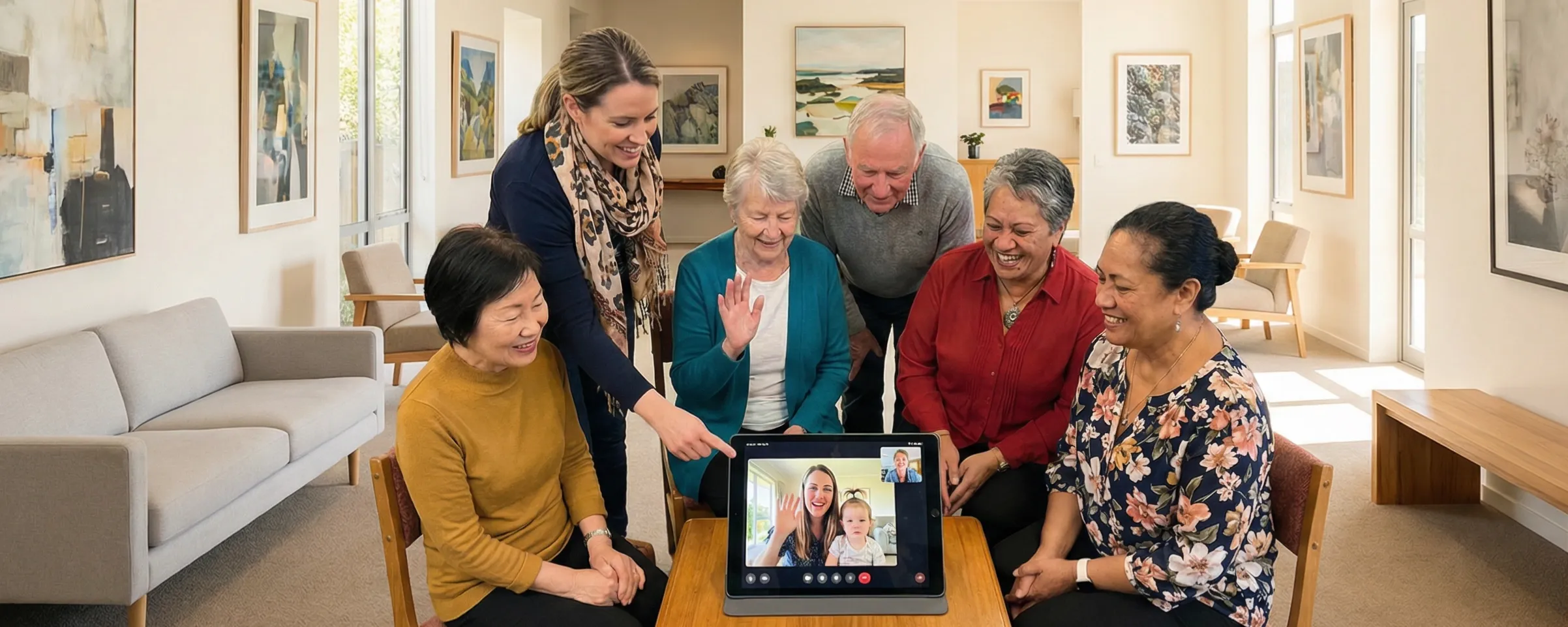
The Evolution of the Internet and Digitisation - Workshop
Technological Impact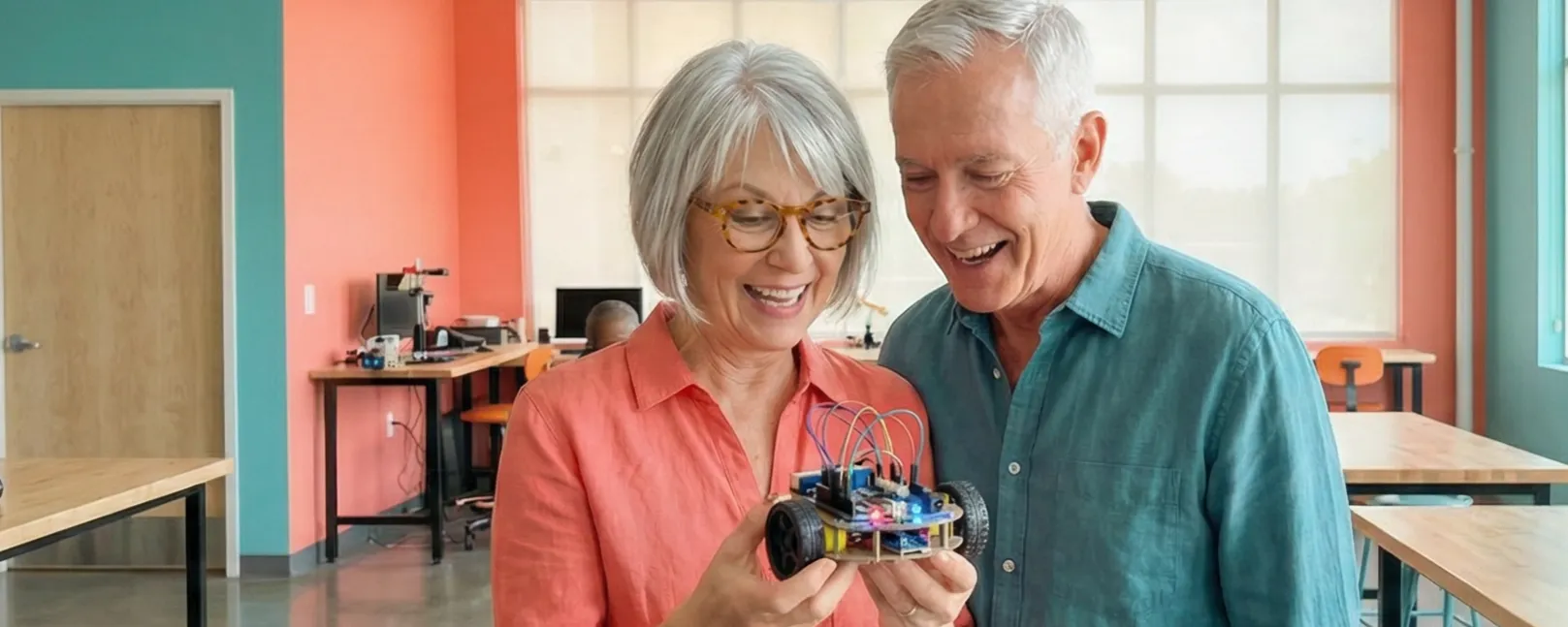
Robotics, Internet of Things and Artificial Intelligence Workshop
Technological Impact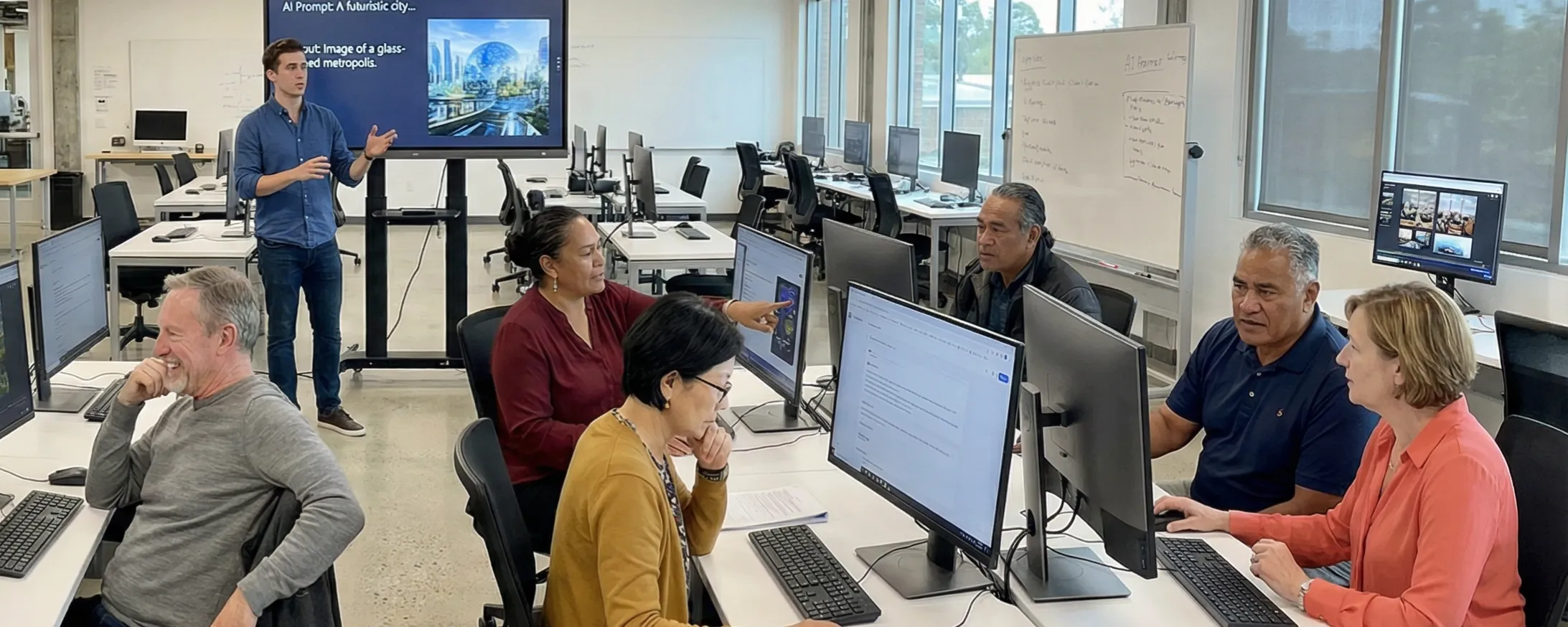
Generative AI Models among Indigenous Rangatahi Workshop
Technological Impact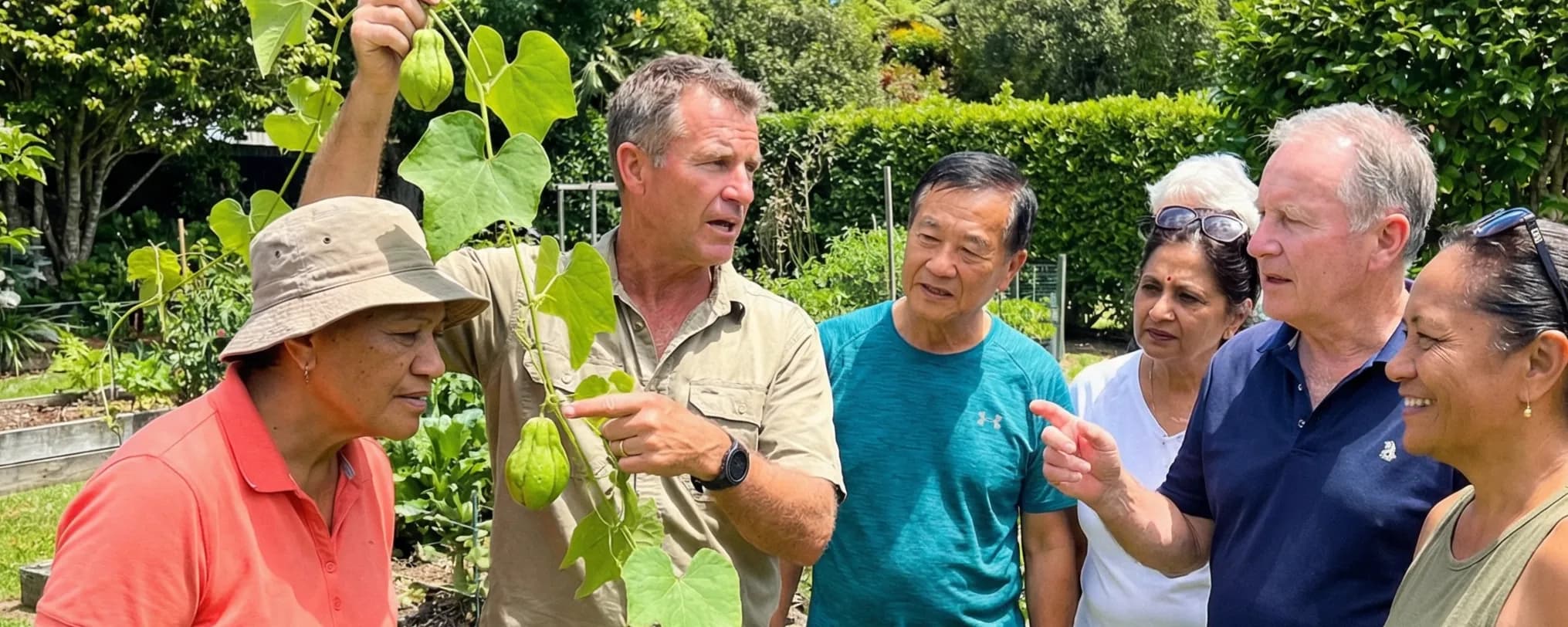
Native Plants & Threats Workshop
Flora and Fauna POPULAR
Flora and Fauna 6-week course
Flora and Fauna
Society & Us 6-week Course
Society & Us
Society & Us Workshop (Unhack My Brain)
Society & Us
The World of Music 6-week Course
The World of Music
The World of Music Workshop (Listening Beyond the Score: Sound Design as Music)
The World of Music
Society & Us Workshop (Understanding Power, Politics & Persuasion)
Society & Us